Flats for Rent in Palmerston North: What Renters Pay, Area by Area
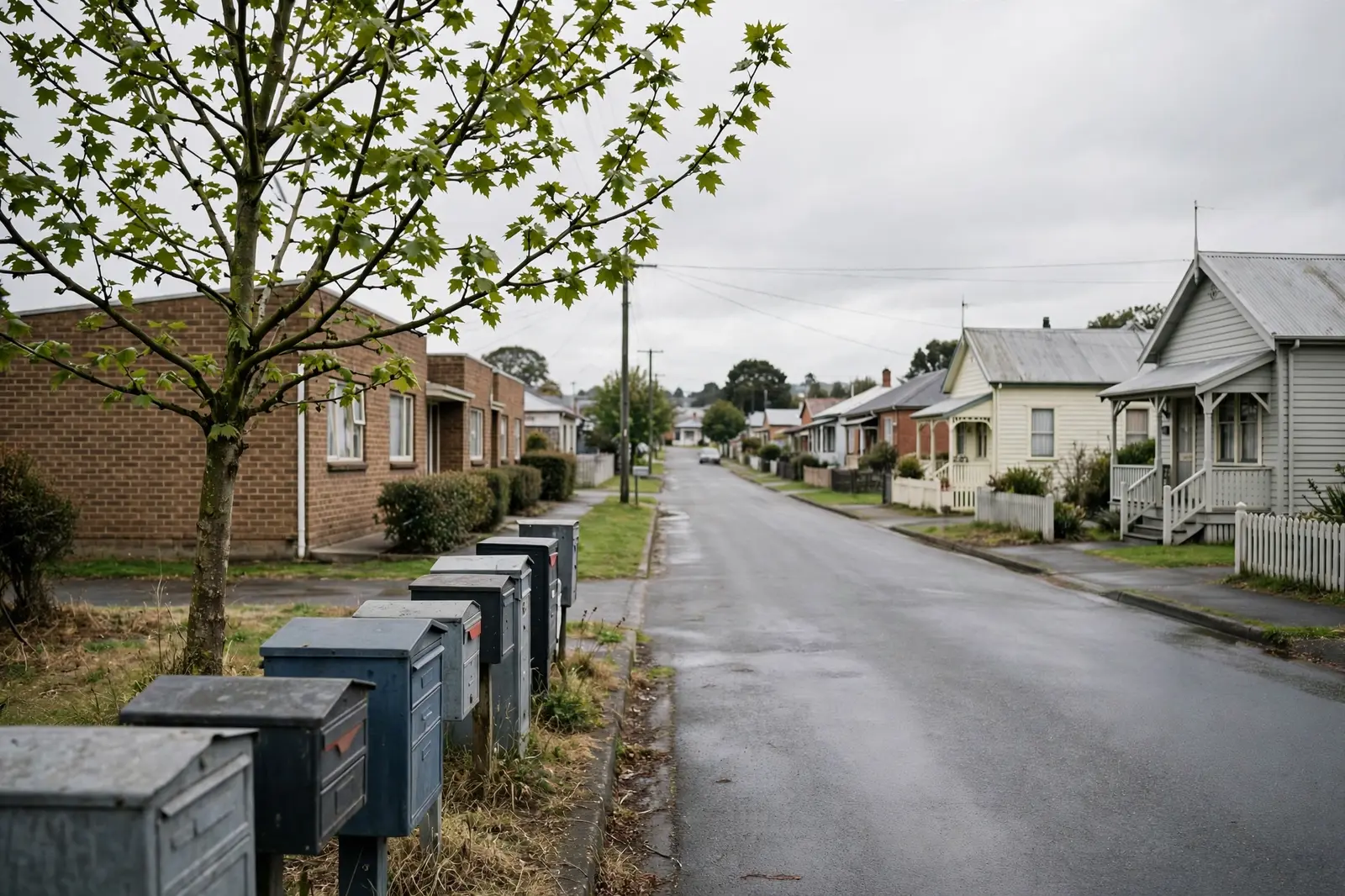
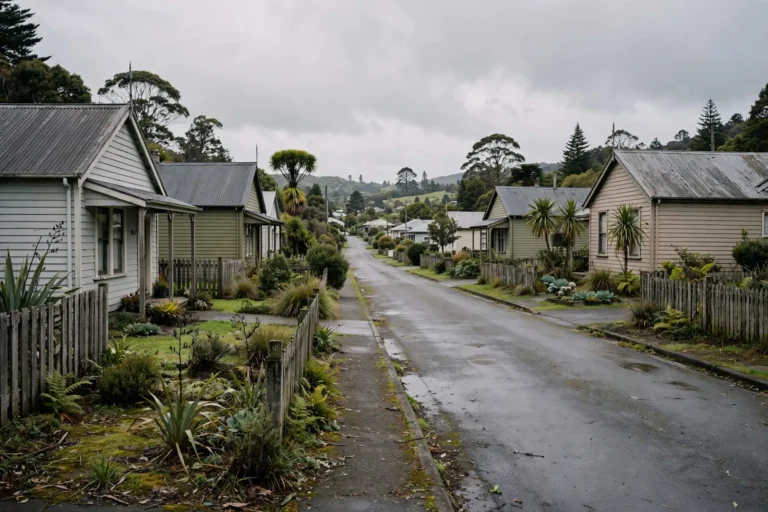
Palmerston North does not have one rental market. It has several, layered on top of each other inside a fairly compact city. There is the student market that turns over every summer around the university side of the river, the family market in the suburban streets of Milson and Kelvin Grove, and the cheaper flat market in suburbs like Takaro and Terrace End where a two-bedroom place can still change hands for less than many people pay for a single room in Auckland.
That spread is exactly why citywide averages are not much use here. This guide works from the official record instead: the rents attached to bonds lodged with Tenancy Services over the six months from 1 February to 31 July 2026. Those figures cover more than 9,000 active bonds across the Palmerston North areas listed below, and they show what tenants actually agreed to pay, suburb by suburb and dwelling type by dwelling type.
Quick answer
For a flat, the middle of the Palmerston North market sits around $300 a week for one bedroom and $330–$400 a week for two bedrooms, depending on the suburb. The cheapest two-bedroom flats in the bond data are in Awapuni and Takaro (medians of $300 and $335), while the most expensive flat market is on the Fitzherbert side of the river, where even a thin sample of two-bedroom flats records a $450 median. Whole houses cost more: a three-bedroom house records a median between $530 and $565 a week in most suburbs, rising to $630 in Fitzherbert. If you are flatting, a room in a shared house records a median of roughly $165–$215 a week in the areas with solid data.
How the Palmerston North rental market is put together
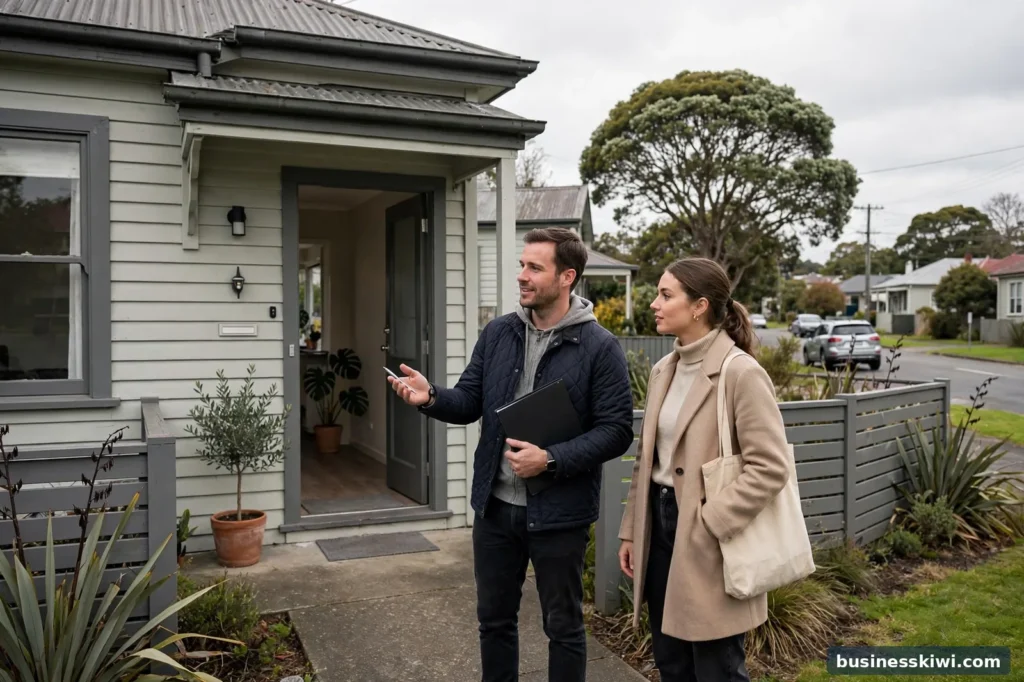
Palmerston North is a working city with an unusual tenant mix. Massey University’s Manawatū campus sits south of the river, and together with UCOL and other tertiary providers it feeds a large student population into the suburbs closest to campus and the city centre. Linton Military Camp, just south of the city, adds service personnel and their families to the demand pool. The hospital, the council, logistics firms around the airport and Tremaine Avenue, and the wider Manawatū farming economy employ the rest.
You can see that mix in the bond data. The central Palmerston North area alone holds 2,077 active bonds, and a striking share of them are small dwellings: 311 bonds for two-bedroom flats, 187 for single rooms, 223 for one-bedroom houses. Compare that with Kelvin Grove or Milson, where three-bedroom houses dominate the bond counts and flats barely feature. In other words, the centre and the suburbs south and west of it supply most of the city’s flats and rooms, while the newer subdivisions on the northern edge supply family houses.
Flats in Palmerston North come in a few recurring forms. There are purpose-built blocks and converted houses near the centre and in West End and Hokowhitu, older brick units in Takaro and Highbury, and a growing number of newer one and two-bedroom homes built as infill. Tenancy Services records these under several labels (flat, apartment, house, room, boarding house), and the distinctions matter when you compare prices, because a one-bedroom “house” in the data is often a small standalone dwelling that rents for more than a one-bedroom flat in a block.
Rents by area: the headline numbers
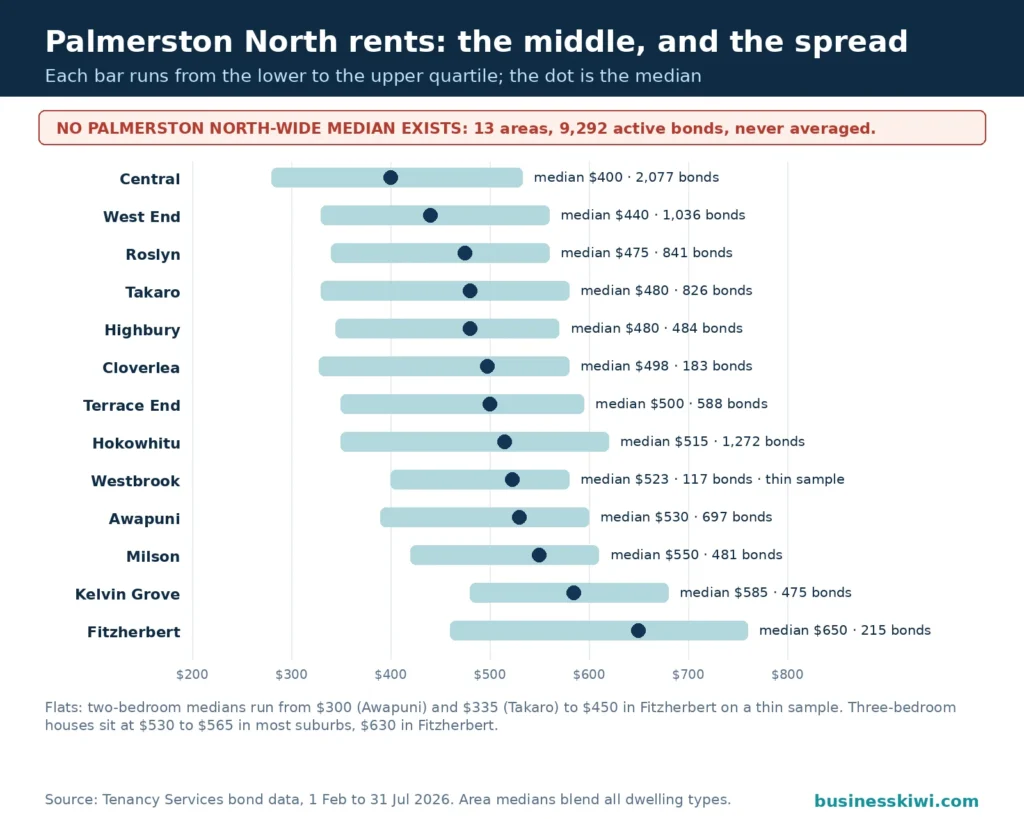
The table below shows the median weekly rent for each Palmerston North area across all dwelling types, with the lower and upper quartiles either side of it. A quarter of tenancies sit below the lower figure and a quarter sit above the upper one. All figures come from Tenancy Services bond data for 1 February to 31 July 2026.
Two cautions belong with this table. First, the headline median for an area blends every dwelling type, so an area full of three-bedroom houses (Kelvin Grove, Milson) will always look dearer than an area full of flats and rooms (the city centre), even if equivalent properties cost much the same. Second, Tenancy Services does not publish a single official median for Palmerston North as a whole, and this guide has not invented one by averaging suburbs. The honest picture is the range in the table: from a $400 median in the flat-heavy centre to $650 in Fitzherbert.
Fitzherbert deserves a note of its own. It records the highest rents in the city by a clear margin, with a $650 median and an upper quartile of $760. This is the suburb across the river by the university, and its stock skews to larger, newer houses. Treat its flat figures with care, though: they rest on very few bonds, as the next section explains.
What a flat actually costs, suburb by suburb
Because this guide is mainly about flats, the next table pulls out the flat figures on their own. Medians are weekly rent, and the number in brackets is how many active bonds sit behind each figure.
*Thin sample. With fewer than 20 bonds, one or two unusual properties can drag a median around, so read these as a rough indication rather than a firm market price.
A few patterns are worth pulling out. The two-bedroom flat is the workhorse of this market, and in the suburbs with deep data (the centre, West End, Hokowhitu, Roslyn) it clusters tightly between $380 and $400 a week. Takaro and Terrace End sit a step below that, in the low $300s, and both have decent bond counts behind their two-bedroom figures, so the gap looks real rather than statistical noise. Awapuni’s $300 median for two-bedroom flats is the cheapest in the city on a reasonable sample of 28 bonds.
Three-bedroom flats exist but are scarce. The centre records a $483 median from 16 bonds, Hokowhitu $450 from just 8 bonds, and Roslyn an odd $260 from 13 bonds, lower than its own two-bedroom figure. That Roslyn result is a good example of why thin samples need care: a handful of older, cheaper three-bedroom flats can pull a median below the two-bedroom price without meaning three-bedroom flats there are genuinely cheaper. If you need three bedrooms, the data says most Palmerston North households end up in a house instead, and the next section covers what those cost.
Apartments, in the Tenancy Services sense of units in larger blocks, are a small part of this city. The centre records medians of $310 for one bedroom (41 bonds) and $385 for two bedrooms (51 bonds), Hokowhitu $445 for two bedrooms from only 12 bonds, and West End $320 and $420 for one and two bedrooms. Nothing in the data suggests apartments command a premium over flats here; they are simply another version of the same product.
Houses, rooms and boarding houses: the alternatives
If a flat does not suit, the same bond data prices the alternatives.
Houses. A three-bedroom house is the benchmark family rental, and its median is remarkably consistent: $530 in Roslyn, Highbury and Cloverlea, $540 in West End, $550 in the centre, Awapuni, Kelvin Grove and Westbrook, $560 in Hokowhitu, Takaro and Terrace End, and $565 in Milson. Only Fitzherbert breaks away, at $630. Four-bedroom houses mostly sit between $550 and $650, with Kelvin Grove the outlier at a $698 median from a solid 131 bonds. Two-bedroom houses generally run $430–$510.
One quirk in the data deserves an explanation. In several areas, one-bedroom houses record higher medians than two-bedroom houses: $568 against $475 in Hokowhitu, $600 against $430 in Milson, $650 against $510 in Kelvin Grove. This is not a misprint. Small standalone homes in the bond data include a lot of recently built minor dwellings and granny flats, which are modern, warm and often let furnished or semi-furnished, while the two-bedroom house stock includes many older weatherboard places. New and small can easily outprice old and bigger.
Rooms. Renting a room in a shared house is the cheapest way into most suburbs. Medians for a one-bedroom room are $215 in the centre (187 bonds), $205 in Hokowhitu (94 bonds), $183 in Fitzherbert (23 bonds), $170 in West End (35 bonds) and $165 in Takaro (29 bonds). Highbury is the exception at $430 from 40 bonds, a figure high enough to suggest those arrangements bundle more than a bare room, so check what any individual listing actually includes.
Boarding houses. Boarding arrangements, where you rent a room and share facilities under a boarding house tenancy, record one-bedroom medians of $320 in the centre, $335 in West End and Highbury, $340 in Kelvin Grove and $350 in Takaro and Hokowhitu. Boarding tenancies run under different rules from standard tenancies, including shorter notice periods, so read the agreement carefully before you sign.
Reading these numbers properly
Bond data is the best public record of NZ rents, but it pays to understand what it is. The figures come from bonds lodged for tenancies, updated monthly, and the current set covers the six months to 31 July 2026, deliberately skipping the most recent month. The rents are weekly. The “active bonds” count behind each figure is the sample size, and Tenancy Services itself warns that the data is a guide and should not be used alone to set the rent on any individual property.
Three practical implications follow. First, a median is a midpoint, not a promise: half of tenants pay more than it. The quartile figures show the realistic spread, and for a two-bedroom flat in the centre that spread runs from $235 to $420. Second, small samples wobble, which is why this guide flags every figure built on fewer than 20 bonds. Some suburbs, including Westbrook (117 bonds in total) and Cloverlea (183), have thin data overall, and the rural fringe areas around the city record so few bonds that Tenancy Services figures for them would mislead more than inform; they are left out of the tables for that reason. Third, bond data reflects tenancies that exist, not listings advertised this week. Asking rents for new listings can sit above these medians, particularly at the busy start of the year.
If you are comparing cities as well as suburbs, our guide to rental properties across New Zealand explains how the national picture fits together, and the same bond-data method applied to renting in Timaru and rental homes in Rotorua shows how Palmerston North stacks up against other mid-sized centres.
Finding a flat in Palmerston North
Most Palmerston North rentals are let through property management firms, with a smaller number advertised directly by landlords. By law, a rental must be advertised with its rental price stated, and a landlord or agent cannot invite or encourage you to bid above that price. You can voluntarily offer more, but nobody can run an auction around a tenancy or pressure you into one.
Timing matters more here than in most cities of this size. The student cycle means a wave of flats, especially in Hokowhitu, West End and the centre, comes onto the market from around October as tenancies end, and competition is sharpest from November through February. Family houses in suburbs like Milson and Kelvin Grove turn over more evenly across the year. If you are arriving for a job rather than a semester, starting your search outside the summer peak usually means more choice and less pressure to decide on the spot.
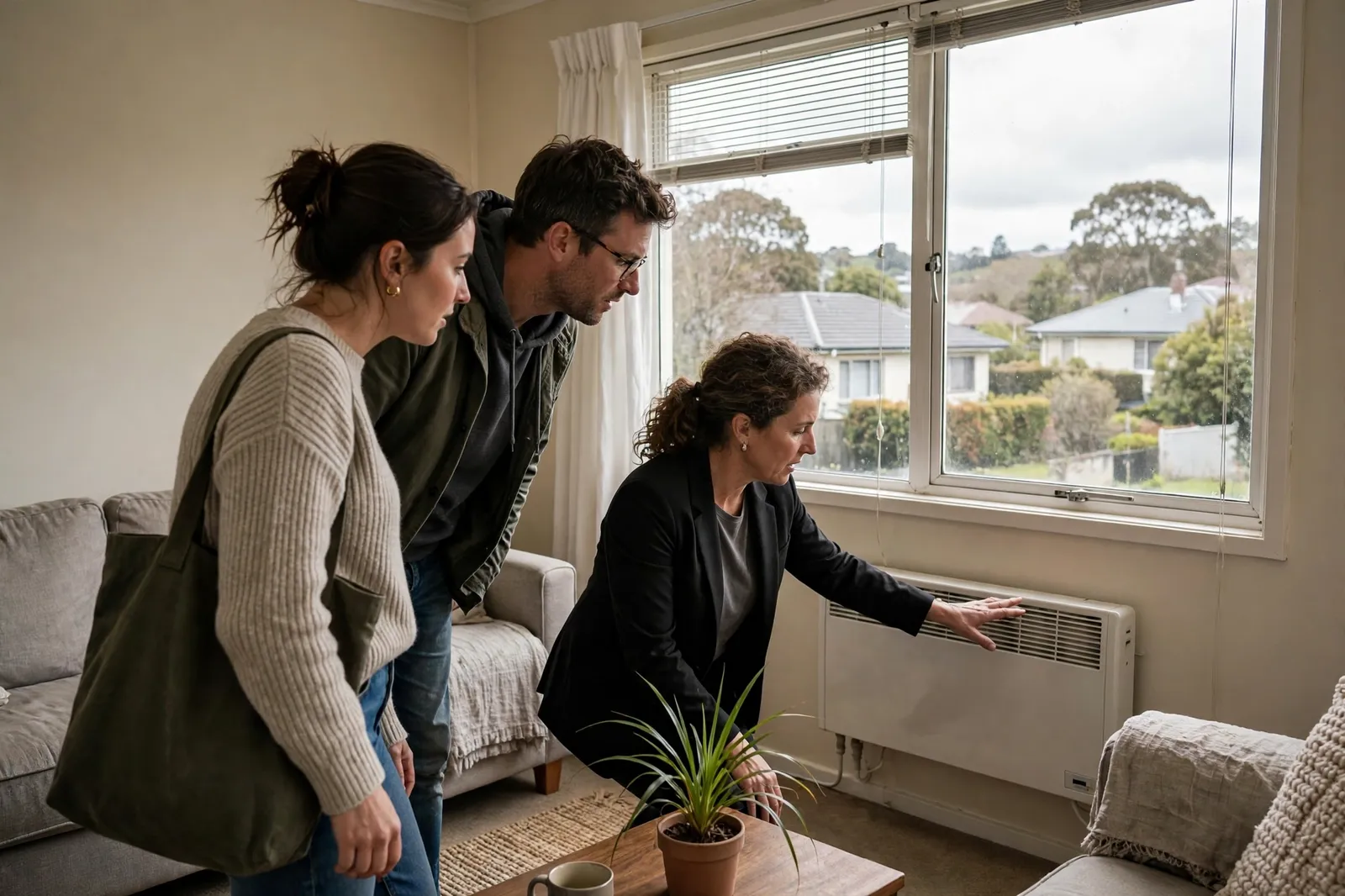
At viewings, check the things the bond data cannot tell you: which way the living areas face (Palmerston North wind is a real factor in an exposed, draughty place), whether there is a fixed heater in the main living room, any signs of damp, and what is included in the rent. Ask who manages the property, how repairs are requested, and whether the tenancy is fixed-term or periodic. A fixed term gives both sides certainty but binds you for its length; a periodic tenancy is more flexible and either side can end it with the required notice.
When you apply, expect to provide identification, references and information about your income or employment. Landlords and agents must handle that information under privacy rules and can only ask for what they genuinely need at each stage. Never pay money to secure a property before you have seen an agreement, and be wary of anyone asking for payment through unusual channels for a listing you have not viewed in person.
The upfront costs, worked out
New Zealand law caps what you can be asked to pay at the start of a tenancy, and the caps are simple:
- Bond: no more than four weeks’ rent for a standard bond. A separate pet bond of up to two weeks’ rent can also apply if you have a pet. The landlord must give you a receipt and lodge the bond with Tenancy Services within 23 working days.
- Rent in advance: one or two weeks, depending on whether you pay weekly or fortnightly. Asking for more than two weeks in advance is unlawful, and the landlord cannot ask for the next payment until the rent you have paid is used up.
- Letting fees: none. Charging a tenant a letting fee has been prohibited since December 2018, and landlords cannot charge key money either. The one narrow exception is an option fee of up to one week’s rent to hold a property while you decide, which must be refunded or credited to rent if you go ahead.
Put numbers on that with the median two-bedroom flat in the city centre at $380 a week. The maximum bond is $1,520. Add two weeks’ rent in advance of $760 and the most you should hand over before moving in is $2,280, with no letting fee on top. For a three-bedroom house at $550 a week, the equivalent ceiling is $3,300 (a $2,200 bond plus $1,100 in advance). If anyone’s figures exceed those ceilings, that is a red flag worth raising with Tenancy Services.
Once you are in, you pay for what you use: power, internet and any other services in your name. The landlord covers rates and building insurance. Keep your own records of payments, and expect a notification from Tenancy Services confirming your bond was lodged; if it has not arrived within about six weeks, ask the landlord what has happened.
Warmth, condition and your rights during the tenancy
Since 1 July 2025, every rental home in New Zealand has had to comply with the healthy homes standards. These set minimum requirements for heating, insulation, ventilation, moisture ingress and drainage, and draught stopping. A fixed heater capable of warming the main living room is part of the deal, not a bonus. Your tenancy agreement must include a compliance statement covering the standards, and it is worth reading it before you sign and raising any gap early, while the initial property inspection report is being completed. Take photos at that inspection and keep them; they are your best evidence if there is a dispute about condition when you leave.
During the tenancy, the landlord is responsible for keeping the property in a reasonable state of repair, and you are responsible for keeping it reasonably clean and tidy and for telling the landlord promptly when something needs fixing. Rent can only be increased in line with the rules in the Residential Tenancies Act, including limits on how often it can happen and proper written notice. If your rent is increased, the bond can be topped up so it still equals the agreed number of weeks at the new rate.
Most disagreements are sorted out by talking first. If that fails, Tenancy Services offers mediation, and beyond that the Tenancy Tribunal can hear the dispute and make a binding decision. Applying to the Tribunal costs $29 for applications lodged from 1 July 2026 (the fee rose from $28), and if your application succeeds the Tribunal can order the other side to repay that fee, so long as you asked for it in your application.
Frequently asked questions
How much is a two-bedroom flat in Palmerston North?
It depends on the suburb. From the latest Tenancy Services bond data, two-bedroom flat medians run from $300 a week in Awapuni to $400 in West End, with the city centre at $380, Hokowhitu at $398 and Roslyn at $383. Half of tenancies fall within the lower and upper quartiles either side of those figures, so individual flats vary.
What is the cheapest area to rent in Palmerston North?
For flats, Takaro and Terrace End record the lowest medians on reasonable sample sizes, with two-bedroom flats at $335 and $330 a week. For rooms in shared houses, Takaro ($165) and West End ($170) are the cheapest in the data. The city centre has the lowest headline median overall ($400), because so much of its stock is small flats and rooms.
How much bond will I need for a Palmerston North flat?
At most, four weeks’ rent, plus up to two weeks as a pet bond if you have a pet. On a $380 a week flat, the standard bond is up to $1,520. Your landlord must lodge it with Tenancy Services within 23 working days and give you a receipt.
Can a landlord charge me a letting fee or ask for a month’s rent upfront?
No. Letting fees charged to tenants have been prohibited since December 2018, and a landlord cannot ask for more than two weeks’ rent in advance. If you pay fortnightly, two weeks in advance plus a four-week bond is the maximum upfront package.
When is the hardest time to find a rental in Palmerston North?
Over summer. The student tenancy cycle means demand peaks from November to February, especially near the university suburbs. Starting a search in autumn or winter usually means less competition for the same properties.
Are Palmerston North rents going up?
This guide reports the level of rents recorded in bonds for the six months to 31 July 2026 rather than a rate of change. Tenancy Services updates the data monthly, so the market rent tool on its website is the place to check the latest six-month window before you commit to a budget.
This article is general information about renting in Palmerston North, based on official data and tenancy law as at the dates stated. It is not legal or financial advice for your individual situation. For advice on a specific tenancy, contact Tenancy Services or a community law centre.
Sources
- Tenancy Services, Market rent (Palmerston North areas), tenancy.govt.nz
- Tenancy Services, Charging rent, tenancy.govt.nz
- Tenancy Services, Preventing problems with bonds, tenancy.govt.nz
- Tenancy Services, Letting fees and key money, tenancy.govt.nz
- Tenancy Services, Changes to Tenancy Tribunal application fee 2026, tenancy.govt.nz
- Tenancy Services, All rentals must now comply with the Healthy Homes standards, tenancy.govt.nz