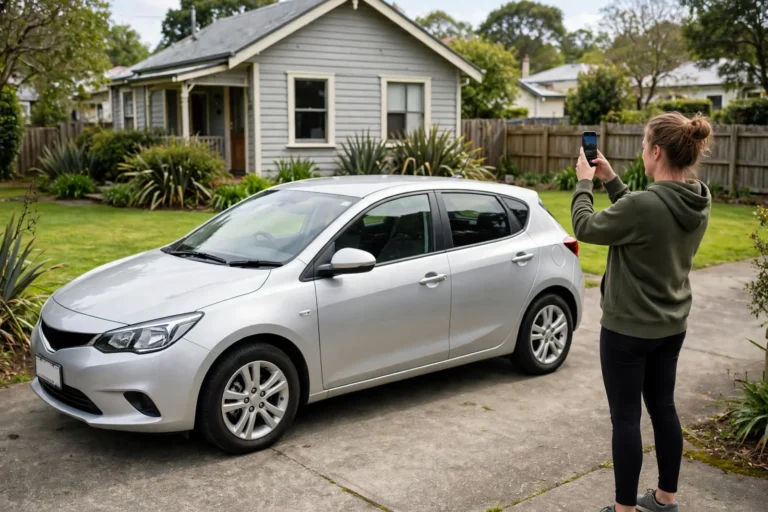
Third Party Car Insurance NZ: What It Covers and What It Costs
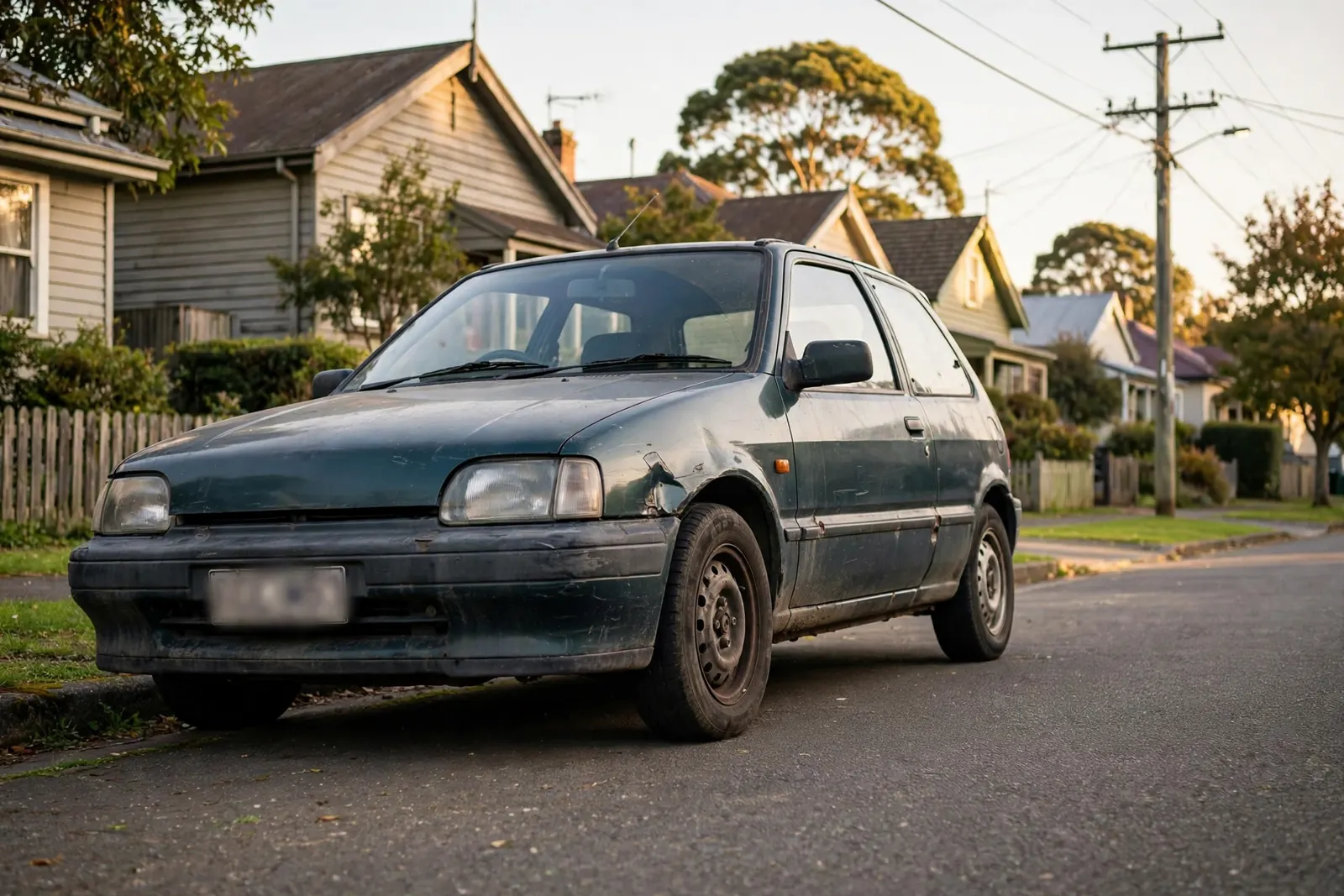
Third party car insurance is the most basic cover you can buy in New Zealand. It pays for the damage your car does to other people’s vehicles and property. It pays nothing at all towards fixing your own car.
That trade-off is the whole product. The premiums are the lowest of the three main types of car insurance, and the risk it protects you against is the one most drivers cannot afford to carry themselves: a very large bill for someone else’s car. Whether it is the right cover depends mostly on what your own car is worth and whether you could replace it out of your own pocket.
New Zealand has two quirks that shape how third party cover works here. Car insurance is not compulsory, and injuries from road crashes are handled by ACC rather than by insurers. Both points are covered below, because they explain why a New Zealand third party policy looks quite different from one sold overseas.
What third party insurance covers
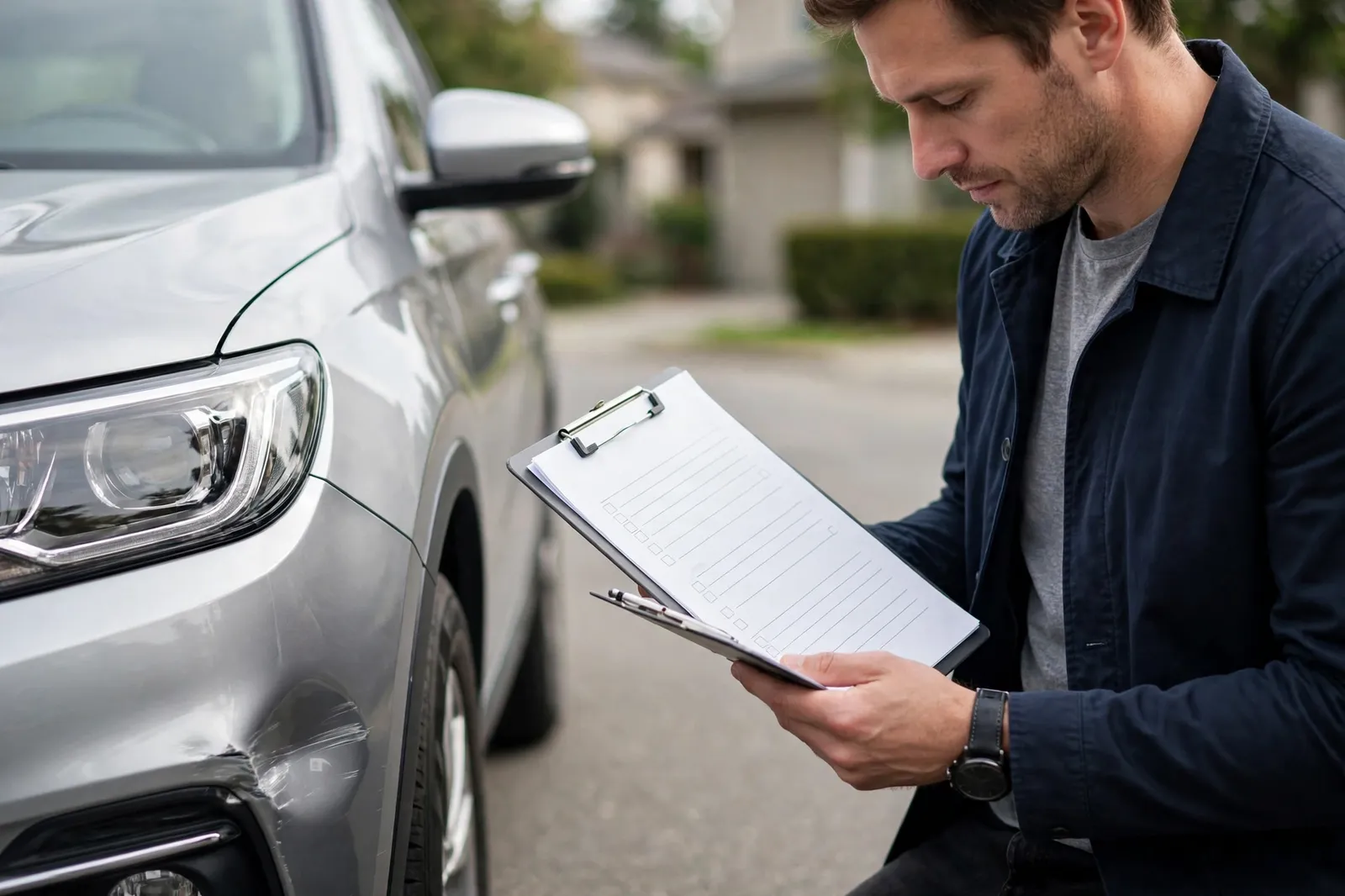
The core of every third party policy is legal liability cover. If you are responsible for accidental damage to someone else’s property while driving, your insurer pays for it, up to the policy limit. Consumer Protection, part of the Ministry of Business, Innovation and Employment, describes the standard situations: you damage somebody else’s car in a traffic accident or by hitting a parked vehicle, or your car damages another person’s property, such as losing control and hitting their fence.
A few details of how that liability cover works are worth knowing:
- The limits are high. Repairing or replacing a late-model car can cost a great deal, so liability limits run into the tens of millions. Tower’s third party policy wording caps liability protection at $25 million across the period of insurance. AMI states a limit of $20 million for damaging someone else’s car or property on its car insurance pages. Check the limit when you compare policies, because it is not the same everywhere.
- Trailers count. Tower’s wording extends liability cover to a trailer or caravan attached to your car, and to a car you are using with the owner’s permission.
- Other drivers are covered. If someone drives your car with your permission and follows the policy conditions, the liability cover applies to them too, under Tower’s wording.
- There is a small injury-related component. Even in New Zealand, wordings include some liability cover connected to bodily injury. Tower’s third party wording includes up to $1 million for liability arising from bodily injury (including reparation, the payment a court can order after a conviction) and up to $5,000 towards defence costs if you are charged with manslaughter or dangerous driving causing death following an accident where a claim has been accepted.
If another driver hits your car and it is their fault, their insurance should pay for your repairs. Consumer Protection notes that if the person who hit you has admitted fault and does not have insurance, your own insurer may chase compensation for you. That help is a courtesy in some policies and a defined benefit in others, which brings us to the extras below.
What third party insurance does not cover
The gaps matter more than the inclusions, because most disappointment with third party cover comes from assuming it does more than it does.
- Damage to your own car in a crash. If you back into a pole, misjudge a corner or cause a collision, repairs to your car are your problem. The policy only looks after the other side.
- Damage to your car when the other driver cannot be identified. A car park hit-and-run leaves you with the bill, unless a specific uninsured driver benefit applies and its conditions are met.
- Theft and fire, on a third party only policy. If your car is stolen or burns, a third party only policy pays nothing towards it. That cover only arrives with third party, fire and theft, described next.
- Storm, flood and vandalism damage to your car. Weather damage and deliberate damage to your own vehicle sit outside third party cover.
- Mechanical breakdown. No type of car insurance pays when a car simply stops working. Tower makes this point in its car insurance FAQs: its policies do not cover a car that stops working due to mechanical failure.
Consumer Protection also reminds drivers that insurance comes with a duty to take reasonable care, such as keeping the car safe to drive and locking it. Claims can be questioned if you have not done the basics.
Third party only, or third party, fire and theft?
The middle option adds two things to the liability cover above: your car is covered if it is stolen, and if it is damaged by fire. Tower’s policy also responds if someone attempts to steal your car and damages it in the process. Fire and theft cover is paid up to the car’s market value, meaning what the car was worth just before the loss, rather than a value agreed in advance.
Consumer Protection’s guidance is simple: for lower value cars, choose third party or third party, fire and theft. The step up to fire and theft tends to make sense when:
- your car is worth enough that losing it would genuinely hurt, but not enough to justify comprehensive premiums
- you park on the street or somewhere theft is a realistic worry
- the car is a model that gets stolen often, or is easy to steal
If the car is worth very little, the fire and theft payout would be small too, and plain third party may be all you need. If losing the car entirely would leave you unable to get to work, that is a sign to think harder about the next level up.
How third party differs from comprehensive cover
Comprehensive is the widest and generally the most expensive option. It includes the same liability cover for damage you cause to others, then adds cover for your own car: accidents you cause or that someone else causes, theft, fire, and costs such as towing after an accident. In short, third party protects other people’s property, and comprehensive protects yours as well.
Our full car insurance guide compares all three levels side by side, including agreed value and market value, if you are deciding between them.
One practical check before you downgrade an existing policy: if your car is under finance, read the finance agreement first. Lenders commonly require the car to be insured for its full value while money is owing on it.
Why New Zealand third party cover is about property, not injuries
In many countries, third party insurance exists mainly to pay for injuries. New Zealand took a different path. ACC covers injuries caused by accidents, including crashes on public roads, and everyone contributes through levies rather than through an insurance policy. The Motor Vehicle levy is collected partly at the petrol pump, currently 6 cents per litre for petrol vehicles, and partly through your vehicle licence (rego) fee. Vehicles that do not use petrol pay the whole levy through the rego. ACC uses that money to pay for treatment, rehabilitation and support, including up to 80 percent of income while an injured person cannot work.
The NZ Transport Agency Waka Kotahi puts the distinction plainly: vehicle insurance is not compulsory in New Zealand, although it is recommended, and the ACC levy is not insurance. Because ACC already picks up injury costs, the government has kept third party property cover optional. What no levy and no ACC payment will ever cover is the bent metal: the other driver’s car, the fence, the shopfront. That property damage risk is exactly what a third party policy is for.
Extras that can come with a basic policy
Basic does not always mean bare. Some benefits turn up on third party policies surprisingly often, although every insurer sets its own limits and conditions.
Uninsured driver benefit
If an uninsured driver damages your car, many policies will repair it up to a set amount. Tower covers damage by an uninsured vehicle up to $4,000 under both its third party, fire and theft and third party only covers, provided you can identify the person at fault and the fault was more than 50 percent theirs. AMI lists an uninsured motorist damage benefit of up to $5,000 on its car insurance pages. The caps are modest, but for a low-value car they can cover most of the repair.
The conditions explain why insurers and Consumer Protection both stress collecting details at the scene: the other driver’s name, address and phone number, their insurer if they have one, and their registration and licence details, plus photos of the damage if you can take them safely. Without an identified driver, these benefits usually cannot be used.
No excess when the accident was not your fault
Under Tower’s policies, you will not pay an excess if you were involved in an accident, you have identified the party at fault with their name, phone number and vehicle registration, and the insurer is satisfied the other party was more than 50 percent at fault. It is another reason to swap details even for a minor scrape.
Towing after a covered loss
Tower’s third party, fire and theft policy pays to remove your car to the nearest repairer or a place of safety if it cannot be driven after a loss the policy covers, such as a theft attempt or fire. Do not assume towing is included on third party only; check the wording.
Windscreen and glass extensions
Glass is where third party policies differ the most, and where a cheap add-on can be worth having.
- With Tower, windscreen and window glass are automatically covered under third party, fire and theft, and you can add a windscreen excess buyout so you pay no excess on a glass claim.
- AMI sells an optional excess-free glass benefit across all three cover levels, including third party only. Its policy wording says that for third party policyholders the benefit actually covers sudden and accidental damage to the windscreen and window glass itself, on similar terms to comprehensive cover, and a glass-only claim carries no excess. The cover extends to parts of the glass such as tinting, demisters and rain sensors, and to recalibrating sensors, but not to sunroof or moonroof glass.
Consumer Protection notes that apart from some windscreen cover, you will pay an excess on any accepted claim, whichever policy type you hold. A cracked windscreen from a stone chip is a common enough claim that glass terms are worth a look before you buy.
Roadside assistance and rental cars
Optional extras exist even at this level. Tower offers its RoadWise roadside assistance as an add-on to third party policies, and a rental car option on third party, fire and theft that covers hiring a similar car, up to $750, if yours is stolen or left undriveable after an accident. Only buy the extras you are likely to use, because each one adds to the premium.
Who third party cover suits
Third party tends to suit drivers whose own car is not worth very much:
- Cars worth a few thousand dollars or less. When a car is worth $2,000 and comprehensive cover costs a large share of that every year, paying to insure the car itself stops making sense. The liability cover is the part you cannot self-insure.
- Young drivers. Consumer Protection points out that you will pay a higher premium for drivers under 25, or who do not hold a full licence. Dropping to third party is a common way to keep a young driver legal and covered against the big risk while premiums are at their peak. Check the excess that applies to young drivers in the wording, because it can be steep.
- Second cars and runabouts. The spare car that does school runs and tip trips still needs liability cover if it is driven on the road, but it rarely needs comprehensive.
- Drivers who could replace the car tomorrow. If losing the car would be annoying rather than financially serious, third party is a rational choice.
Think twice if you could not afford to repair or replace the car and rely on it daily, or if the car is worth more than you first assumed. Plenty of older cars are worth more than their owners think. Our guide to working out what your car is worth can help you put a realistic number on it before you decide.
What affects the premium
This guide does not quote premium prices, because no official source publishes a standard price and every quote is built from your details. What can be explained is what insurers are pricing. Consumer Protection is clear that two things make the biggest difference: a clean driving licence and not making claims. Beyond that:
- Your excess. The excess is the amount you pay towards an accepted claim. Choosing a higher excess means you share more of the risk, so the premium comes down. Only choose an excess you could actually pay on a bad day. Consumer Protection gives the shape of it: on a third party policy with a $500 excess, you pay the first $500 of the other car’s repair bill and the insurer pays the rest.
- The drivers. Age and experience matter. Drivers under 25 and drivers not on a full licence attract higher premiums, and naming the specific drivers on the policy can reduce the price, as long as nobody unnamed drives the car.
- The car itself. The type of car plays a big part in what you pay. For third party, fire and theft, the car’s value matters too, because the insurer may have to pay out its market value after a theft or fire. Security features help: tell your insurer if the car has an alarm.
- Where the car lives. Where the car is kept overnight feeds into the price. Consumer Protection suggests telling your insurer if you park in a locked garage, since secure parking can lower the premium.
- Extra cover. Add-ons such as roadside assistance, glass extensions and rental car options each add cost.
- Other policies. Ask about a discount if you hold house or contents insurance with the same insurer. Consumer Protection lists this as a standard way to pay less.
Driving with no insurance at all: the risk you are actually taking
Because insurance is not compulsory in New Zealand, nothing stops you driving uninsured. The law will not fine you for it. The risk is financial, and it lands the moment you cause a crash.
If you damage someone else’s car or property and you have no policy, the bill is yours personally. There is no cap and no insurer standing behind you. The other driver, or their insurer after it pays for their repairs, can pursue you for the full amount, and debts like that can follow you for years. Modern cars are expensive to repair, and a single mistake at an intersection can easily create a bill larger than the value of your own car several times over. If an uninsured driver hits you and you are uninsured too, you may have to chase them yourself, with no guarantee they can pay.
That asymmetry is the real argument for third party cover. The premium is the cheapest in car insurance, and it removes the one loss most drivers could never absorb: liability for someone else’s property.
Comparing policies: a short checklist
Price is the obvious comparison, but Consumer Protection advises looking at what each policy covers and excludes, not just the premium. On third party policies, check:
- The liability limit. $20 million and $25 million both appear in current NZ wordings. Higher is better, and it rarely costs much more.
- The uninsured driver benefit, and its conditions. Note the cap, and whether you must identify the other driver for it to apply.
- Glass terms. Included, an optional extension, or not available at all? Is there an excess on glass claims?
- The excess options. Both the standard excess and any extra excesses for young or unnamed drivers.
- What counts as a covered loss for towing and other small benefits.
- The reasonable care conditions. Locking the car and keeping it roadworthy are standard expectations.
If a claim is refused and you disagree, Consumer Protection’s advice is to go to the insurer’s complaints team first, then to the dispute resolution scheme your insurer belongs to.
FAQs
Is third party car insurance compulsory in New Zealand?
No. The NZ Transport Agency confirms vehicle insurance is not compulsory here, although it is recommended. The ACC levy included in your rego is not insurance and does not cover damage to vehicles or property.
Does third party insurance cover injuries?
Mostly, that is ACC’s job. ACC covers injury costs from road accidents through levies, regardless of whose insurance you hold. Third party policies still include a limited bodily injury liability component, mainly for court-ordered reparation, with sub-limits set out in the wording.
Does third party insurance cover my windscreen?
Not under third party only as standard. Some insurers include glass cover in third party, fire and theft, and others sell a glass extension for third party policies. Check before you buy.
What happens if an uninsured driver hits me?
If they admit fault, their liability is to pay for your damage, and Consumer Protection notes your insurer may help chase compensation. Many third party policies also include a capped uninsured driver benefit that repairs your car if you can identify the driver and they were mostly at fault.
Does third party insurance cover my trailer?
Liability cover commonly extends to a trailer or caravan attached to your car while you are towing it, as Tower’s wording does. Damage to the trailer itself is a separate matter and may need its own cover.
This article is general information about how third party car insurance works in New Zealand, based on government guidance and insurers’ published policy documents. It is not financial advice. Policy terms, limits and exclusions vary, so read the policy wording before you buy. You can browse more money guides in our Finance category.
Sources
- Consumer Protection (MBIE), Car insurance: https://www.consumerprotection.govt.nz/help-product-service/cars/paying-registering-insuring-car/car-insurance
- NZ Transport Agency Waka Kotahi, Importing a vehicle temporarily: https://nzta.govt.nz/vehicles/importing-a-vehicle/2-complying-with-vehicle-standards-and-providing-evidence/importing-a-vehicle-temporarily
- ACC, Paying levies if you own or drive a vehicle: https://www.acc.co.nz/about-us/our-levies-2/paying-levies-if-you-own-or-drive-a-vehicle
- ACC, What your levies pay for: https://www.acc.co.nz/about-us/our-levies-2/what-your-levies-pay
- Beehive (Minister of Transport), Report on vehicle insurance released: https://www.beehive.govt.nz/node/45877
- Tower Insurance, Third Party Fire & Theft Car Insurance: https://www.tower.co.nz/car-insurance/third-party-fire-theft/
- Tower Insurance, Car Insurance Third Party Only policy wording: https://www.tower.co.nz/wp-content/uploads/2021/03/car-tpo-09-24.pdf
- Tower Insurance (Westpac), Car Insurance Third Party Only policy wording: https://www.tower.co.nz/pw/westpac-car-tpo-07-26.pdf
- AMI, Comprehensive Car Insurance: https://ami.co.nz/car-insurance/comprehensive
- AMI, Car Insurance policy wording (AMI0052): https://www.ami.co.nz/content/dam/insurance-brands-nz/ami/nz/en/documents/car/ami-car-insurance-policy-wording-ami0052-11-1124.pdf