Glenview School Porirua: Roll, Zone, Term Dates and What Parents Need to Know
Glenview School is a small state primary school on Bedford Street in Porirua East, serving the Cannons Creek community. It teaches Years 1 to 6, it runs a Tokelau language class alongside its mainstream classrooms, and it has spent the past few years building a reputation for calm, relationship-led teaching that the Education Review Office has been back to check on. This profile pulls together what the official records and the school’s own website actually say: the roll, the enrolment zone, the school day, what it costs, and what ERO found on its most recent visit in July 2025.
Glenview School at a glance
Which Glenview School is this?
New Zealand has more than one school with this name, and search results mix them freely. This profile is about Glenview School (Porirua East), institution number 2847, the state contributing primary school at 106 Bedford Street in Porirua.
It is not Glenview School in Hamilton (institution number 1725), a much larger primary school of more than 400 students in the Waikato suburb of Glenview. Nor is it Glenview Free Kindergarten in Timaru. If the phone number you have starts 07 or 03, you are looking at a different school. The Porirua school’s number is 04 237 7123, and its office email is glenviewoffice@pen.net.nz.
The school and how it is run
Glenview is a state school, which means it is governed by an elected school board and funded by the Ministry of Education. As a contributing primary school it takes children from Year 1 through to Year 6, after which most of its leavers move on to intermediate school. The school’s own notices name Brandon Intermediate as the usual next step: it reminded Year 6 families in September 2026 that enrolment forms for Brandon were due back by Friday 25 September 2026, with a transition day for enrolled students on Friday 13 November 2026.
The principal is Lynda Knight-de Blois, named on both the Education Counts profile and the school’s staff page. She leads a school of just over 100 students, which is small by city standards. The roll at 1 July 2025 was 101, spread across the six year levels: 17 children
Values, and the way the school works
The school’s motto sits at the top of its website: “Ngā akonga manawanui, ngā rangatira ā ngā kaitiaki o te ao”, translated by the school as “Active learners, leaders, guardians of the world”.
Its values page fills that out. The school says it works on proactive, lifelong learning that is physical, social and emotional as well as academic; on self-respect and self-efficacy, so children take responsibility for their own learning and behaviour; on respecting people as individuals and celebrating the uniqueness of all cultures and beliefs, which it describes as especially important in a school of more than 15 different cultures; and on guarding the environment, in line with the kaitiaki part of the motto.
The school’s About Us page describes what it thinks makes it different: it is family orientated, it has a strong cultural mix of students and staff, a tranquil environment it takes responsibility for, strong positive connections between staff and students, and whanaungatanga, the building of relationships and a sense of belonging.
The best independent description of how this plays out in classrooms comes from ERO. In its July 2025 progress letter, ERO recorded that leaders and staff have embedded trauma informed practices that promote emotional and psychological safety for students, and that leaders have a strong emphasis on whanaungatanga, fostering a sense of family and community within the school. That relational approach, which the school has developed over several years and which ERO refers to as part of “the Glenview Way”, is the context for the behaviour data discussed later in this profile.
The programme: literacy, language and the garden
Teaching at Glenview follows the New Zealand Curriculum, and the current emphasis is easy to trace because ERO documented it. Structured literacy is the headline approach. ERO verified in July 2025 that leaders have embedded structured literacy approaches in the junior school, and extending it across the senior school was the stated priority for 2025. Teachers take part in professional learning aligned to school and government priorities in reading, writing and mathematics, and the
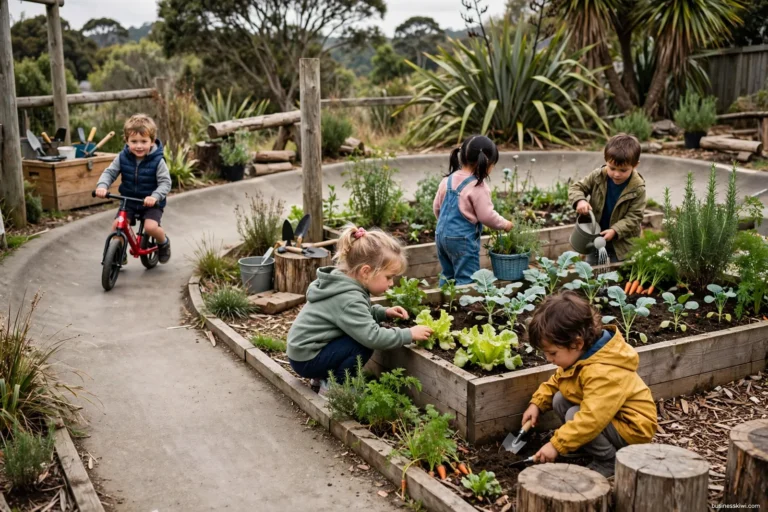
Specialist support shows up on the staff list too. Sharron Bowers is listed as Reading Recovery and art teacher, giving the school a dedicated reading intervention role. Emily Bruce runs Garden to Table, the programme in which children grow, harvest and cook food, which ties into the school’s kaitiaki value. A team of kaiāwhina and kaiarahi (learning and cultural support workers) supports classrooms, and several of them share the Faraimo name with the assistant principal, a sign of how closely the school’s staff is drawn from its own community.
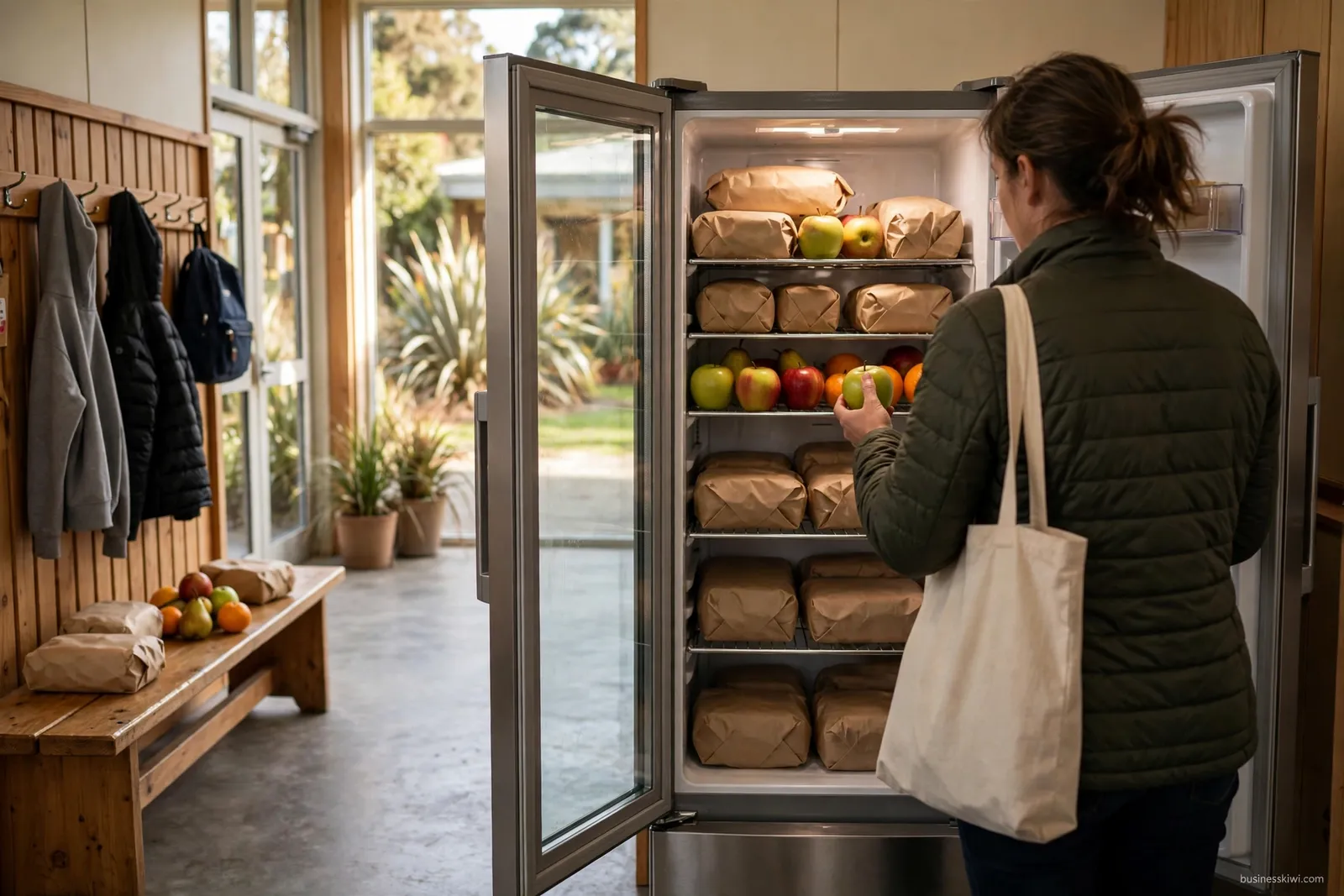
One piece of practical whānau support deserves its own mention. The school runs a Pātaka Kai, a fridge in the foyer outside the principal’s office stocked with leftover and surplus food, including leftover school lunches, which Glenview families can help themselves to. Beside it are bins of items such as bedding and school shoes. The school says the Pātaka can be accessed between 8:30am and 3:30pm through the side door on the eastern side of the admin block. It is a small thing that says a lot about how this school operates.
The school day and term dates
Glenview’s school day is short and simple. Children should be at school by 9:00am, and the school asks families to aim for 8:45am so students are settled before lessons start. Classes finish at 3:00pm, and the school asks parents not to collect children early, because it disrupts classes and children miss notices and instructions. Absences are reported through the Skool Loop app, by text to the attendance number (021 0887 6066, texts only), or by phoning the office. Named sunhats are required each day in Term 4.
The 2026 term dates the school has published through its own events calendar and newsletters are:
Fees and donations: what it costs
Glenview sits inside the government’s donations scheme. The Education Counts profile records the position in the standard wording: donations should not be requested, unless for a school camp. In plain terms, the school does not ask parents for the usual annual school donation, and the one exception the scheme allows is a request connected to a school camp.
Beyond that, the school publishes very little about charges. No stationery list prices, activity fees or uniform costs appear on the pages of its website read for this profile, and the school does not publish a uniform list there at all. If your child needs stationery or gear for a trip, expect the details to come home through the office or Skool Loop, and ask the office directly if you need figures in advance. Families should not have to guess, but in this case the honest position is that the numbers are not published online.
The Pātaka Kai described above is part of the cost picture too, in the other direction: surplus food and some essentials are available free to Glenview whānau from the school foyer during the school day.
What ERO found
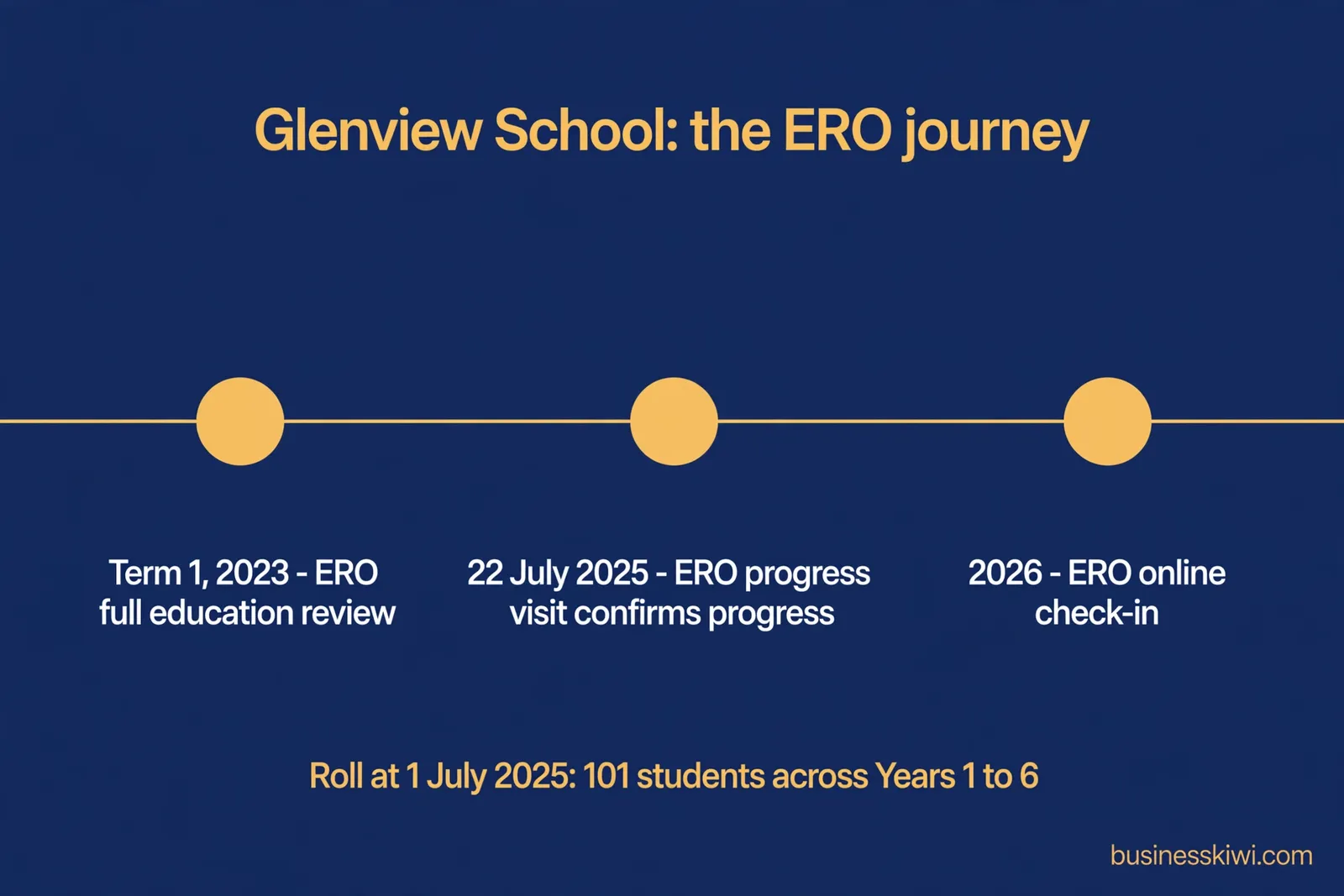
The Education Review Office’s most recent full school report on Glenview was in Term 1, 2023. That report set improvement priorities for the school. ERO then came back on site on 22 July 2025 to check progress against those priorities and against its School Improvement Framework, and its progress letter, signed by Sharon Kelly, Director of Schools, is the most current ERO document on the school. Its full text is published on the school’s own website.
The headline finding is reassuring. ERO said it was able to verify that the school has had a sustained focus on addressing the 2023 report’s priorities for improvement, that those priorities are clearly reflected in the school’s annual implementation plan, and that the school reports regularly to its board on progress, including progress in lifting achievement and attendance.
On the framework areas, ERO recorded that attendance actions, planning and monitoring, consistent with the Porirua Kāhui Ako, are improving regular attendance and decreasing chronic absence. It found progress and achievement improving in reading, writing and mathematics, significant progress in wellbeing data as a result of the school’s trauma informed and relational practices, and high expectations for teaching and learning across the school, with teachers who know their students well. On stewardship, it noted the board receives and scrutinises achievement and attendance data and appraises the principal annually. It also verified the compliance basics: suitable processes for teacher registration and police vet renewals, and aspects of health and safety and complaints.
ERO’s areas for improvement were specific rather than alarming. Teachers should embed structured literacy across the senior school and keep sharing strategies and resources collaboratively. Leaders and teachers should develop the schoolwide mathematics approach, with professional learning to back it. The school should evaluate the impact of its attendance initiatives to inform next steps, and strengthen assessment practices in literacy and mathematics so teaching and reporting rest on reliable evidence.
ERO’s next engagement is an online check-in meeting with the school in 2026, focused on the report priority areas of attendance, schoolwide consistency in teaching, and reliable assessment practices. The full text of the 2023 report itself is linked from the Educa
The teaching team
The staff page names a compact team. Leadership is Lynda Knight-de Blois (principal), Lester Mohi (deputy principal, who also teaches the Year 5 and 6 class) and Tufaina Faraimo (assistant principal, who leads the Tokelau language class).
Classroom teachers are Alisha Aslam (new entrants and Year 1), Belinda Pritchard (Years 2 and 3), Leka Campbell (Years 3 and 4) and Sharron Bowers (Reading Recovery and art), alongside Lester Mohi’s senior class. The overlap in the year-level labels is the school’s own: classes are organised as composite groupings, so a Year 3 child may be in either the 2–3 or the 3–4 class.
Support staff are Charlotte Matoe, Nooroa Faraimo, Myar Faraimo and Ina Faraimo (kaiāwhina and kaiarahi roles), Shekinah Hiroki (school office and kaiarahi), Keri Martin (office manager), Emily Bruce (Garden to Table), Donald Piper (van driver) and Jason Hall (property team).
One honest note for families checking names: earlier versions of the school’s staff pages also listed a second new entrant teacher and a bilingual tutor who do not appear on the page as it currently stands. Staff lists change during the year, so treat the school’s live staff page, not this profile, as the final word.
Enrolling: the zone, the ballot and how to apply
Glenview has an enrolment scheme, so where you live decides how enrolment works. Children who live inside the home zone are entitled to enrol. Out-of-zone children can only be taken if places are available, through the ballot process described below.
The home zone
The school publishes its zone street by street. In summary, the zone takes in:
- Sievers Grove, addresses 43–219 (odd) and 48–222 (even)
- Hampshire Street, addresses 61–121 (odd) and 70–120 (even)
- Bedford Street, addresses 31–197 (odd) and 34–168 (even), which includes the school itself at number 106
- Leicester Street and Derby Place, in full
- Suffolk Place, Northumberland Street, Durham Street, Cardiff Crescent and Carnavon Place, in full
- The area around the Cannon Creek Lake reserve through to Porirua Park
The enrolment zone in one table
The same zone, in quick-reference form:
The scheme adds a tiebreaker for disputed addresses: where a property has entrances on different streets, or its address is in dispute, only the rateable address recognised by the city council counts. If your street is near a boundary, read the full scheme text on the school’s Enrolments and Zoning page, or ring the office with your address.
Out-of-zone enrolments
Out-of-zone applications are processed in the priority order set by the Education and Training Act 2020. First priority does not apply at Glenview, because the school does not run a special programme approved by the Secretary for Education. After that, the order is: second priority to siblings of current students; third to siblings of former students; fourth to children of former students; fifth to children of board employees or board members; and sixth to all other applicants. If a priority group has more applicants than places, selection within that group is by ballot, and the school publicises the ballot date. Families claiming second or third priority may be asked for proof of the sibling
Frequently asked questions
Is Glenview School in Porirua the same as Glenview School in Hamilton?
No. They are separate schools that share a name. This profile covers Glenview School (Porirua East), institution number 2847, at 106 Bedford Street, Porirua, with a roll of 101 in July 2025. The Hamilton school (number 1725) has a roll of more than 400. The area code is the quickest check: Porirua is 04, Hamilton is 07.
What years does Glenview School teach, and how big is it?
Years 1 to 6. It is a contributing primary school, so children move on after Year 6, most of them to Brandon Intermediate according to the school’s own notices. The roll was 101 students at 1 July 2025, across six year levels. The biggest single year group that year was Year 3, with 24 students.
What time does school start and finish?
Lessons start at 9:00am and classes finish at 3:00pm. The school asks children to arrive by 8:45am so they are settled for the 9:00am start.
Does Glenview School have an enrolment zone?
Yes. The home zone covers a defined set of streets in Porirua East and Cannons Creek, including parts of Sievers Grove, Hampshire Street and Bedford Street and several smaller streets in full. In-zone children are entitled to enrol. Out-of-zone places are allocated by ballot in the statutory priority order.
My child has a brother or sister at Glenview but we live out of zone. Are we guaranteed a place?
Not guaranteed. Siblings of current students get second priority among out-of-zone applicants, which is the highest priority that applies at this school. But the school advised families in April 2026 that out-of-zone enrolments, siblings included, are now decided by ballot where applications exceed places. Apply early and talk to the office.
What does it cost to send my child to Glenview?
The school is in the government donations scheme, so it does not request a school donation, other than in connection with a school camp. The school does not publish stationery or other charges on its website, so ask the office if you need those figures before enrolment.
What did ERO say about Glenview School?
ERO’s last full report was in Term 1, 2023. On a follow-up on-site visit on 22 July 2025, ERO verified the school had sustained its focus on that report’s improvement priorities, with achievement and attendance improving and wellbeing data showing significant progress. Its remaining improvement areas were embedding structured literacy in the senior school, building the new mathematics approach, evaluating attendance initiatives and strengthening assessment. ERO’s next step is an online check-in during 2026.
What is the Tokelau language class?
A class in which some learning happens in gagana Tokelau, led by assistant principal Tufaina Faraimo. Education Counts records that some Glenview students learn in Pasifika medium. Ask the office how places in the class are allocated if it is the right fit for your child.
How do I report an absence?
Through the Skool Loop app, by text to 021 0887 6066 (attendance texts only), or by phoning the school office on 04 237 7123.
Sources
All sources below are official: Education Counts (Ministry of Education), the Education Review Office, and Glenview School’s own website. Every source was read in full before use.
- Education Counts, Glenview School (Porirua East) profile and contact details: https://www.educationcounts.govt.nz/find-school/school/profile?school=2847
- Education Counts, Glenview School student population by year level (roll at 1 July 2025): https://www.educationcounts.govt.nz/find-school/school/population/year?district=44®ion=9&school=2847
- Education Counts, Glenview School student engagement, stand-downs (2025): https://www.educationcounts.govt.nz/find-school/school/student-engagement/stand-downs?district=®ion=&school=2847
- Education Review Office, On-Site Progress Letter, Term 3 2025 (visit of 22 July 2025), published on the school’s website: https://www.glenviewporirua.school.nz/resources/sites/253/files/picker/2026-content/glenview-school-porirua-east-2847-progress-letter-2.pdf
- Glenview School, home page and notices: https://www.glenviewporirua.school.nz
- Glenview School, About Us: https://www.glenviewporirua.school.nz/about-us/
- Glenview School, Our Values: https://www.glenviewporirua.school.nz/about-us/values/
- Glenview School, Staff: https://www.glenviewporirua.school.nz/about-us/staff/
- Glenview School, Enrolments and Zoning (enrolment scheme): https://www.glenviewporirua.school.nz/enrolments-and-zoning/
- Glenview School, newsletter of 29 April 2026 (Pātaka Kai, out-of-zone ballot notice, school day): https://www.glenviewporirua.school.nz/resources/sites/253/files/blog/newsletter-term-2-newsletter-1-290426.pdf
Details in this profile were checked against the sources above in October 2026. School staffing, rolls and term dates change, so confirm anything time-sensitive with the school office.
| Term | First day | Last day |
|---|---|---|
| Term 1 | Monday 2 February 2026 | Thursday 2 April 2026 |
| Term 2 | Monday 20 April 2026 | Friday 3 July 2026 |
| Term 3 | Monday 20 July 2026 |
relationship.
The school has also told its community, in an April 2026 newsletter following a meeting with the Ministry of Education about the scheme, that it now needs to operate a ballot system for anyone who lives out of zone, including brothers and sisters of current students, and that ballots may be held through the year. Read together with the scheme, the practical position is this: sibling status puts an out-of-zone applicant near the front of the queue, but it no longer guarantees a place if out-of-zone demand exceeds the places available. The school asked out-of-zone families hoping for a place within the following year to let it know as early as possible.
How to enrol
Start by contacting the office (04 237 7123, or glenviewoffice@pen.net.nz) to confirm whether your address is in zone and what the school needs from you. New entrants start through the year as they turn five; the school does not operate cohort entry, so your child will not be held back to a term start date. Keep the Skool Loop app installed once you are enrolled: it is how the school sends newsletters and notifications and how you report absences and book whānau conferences.
tion Counts profile; this profile relies on the 2025 progress letter for ERO’s findings because it is the newer document and it records ERO’s verified position, rather than restating the older report’s judgements as if they were current.
The Ministry engagement data
Education Counts publishes stand-down data for every school, and Glenview’s 2025 figures are striking. The school recorded zero stand-downs in 2025, an age-standardised rate of 0.0 per 1,000 students, against a national rate of 36.1 per 1,000, a Wellington region rate of 23.9 and a rate of 33.0 for contributing schools nationally.
Two cautions belong with that zero, and both come from the Ministry itself. First, Education Counts warns that care should be taken with age-standardised rates where small numbers are involved, and Glenview is a school of about 100 students. Second, the Ministry notes that stand-downs are a measure of a school’s reaction to behaviour, not a direct measure of student behaviour itself. Read fairly, the figure says this school did not resort to stand-downs at all in 2025, which fits the relational, regulation-first approach ERO described. It does not, on its own, prove anything about day-to-day behaviour in classrooms.
Friday 25 September 2026
Term 4Monday 12 October 2026See note below
The school’s final day for Term 4 2026 was not stated in the pages read for this profile, so check the Term Dates page on the school website before booking around it. The breaks between terms are the standard school holidays shared by state schools, and Glenview also closes for teacher-only days and events notified through Skool Loop and its newsletters.
y track and monitor each student’s progress in those three areas, identifying target students and accelerating their progress with a range of interventions and supports. The next curriculum project, per ERO, is a structured mathematics programme developed collaboratively and implemented across the school from 2026.
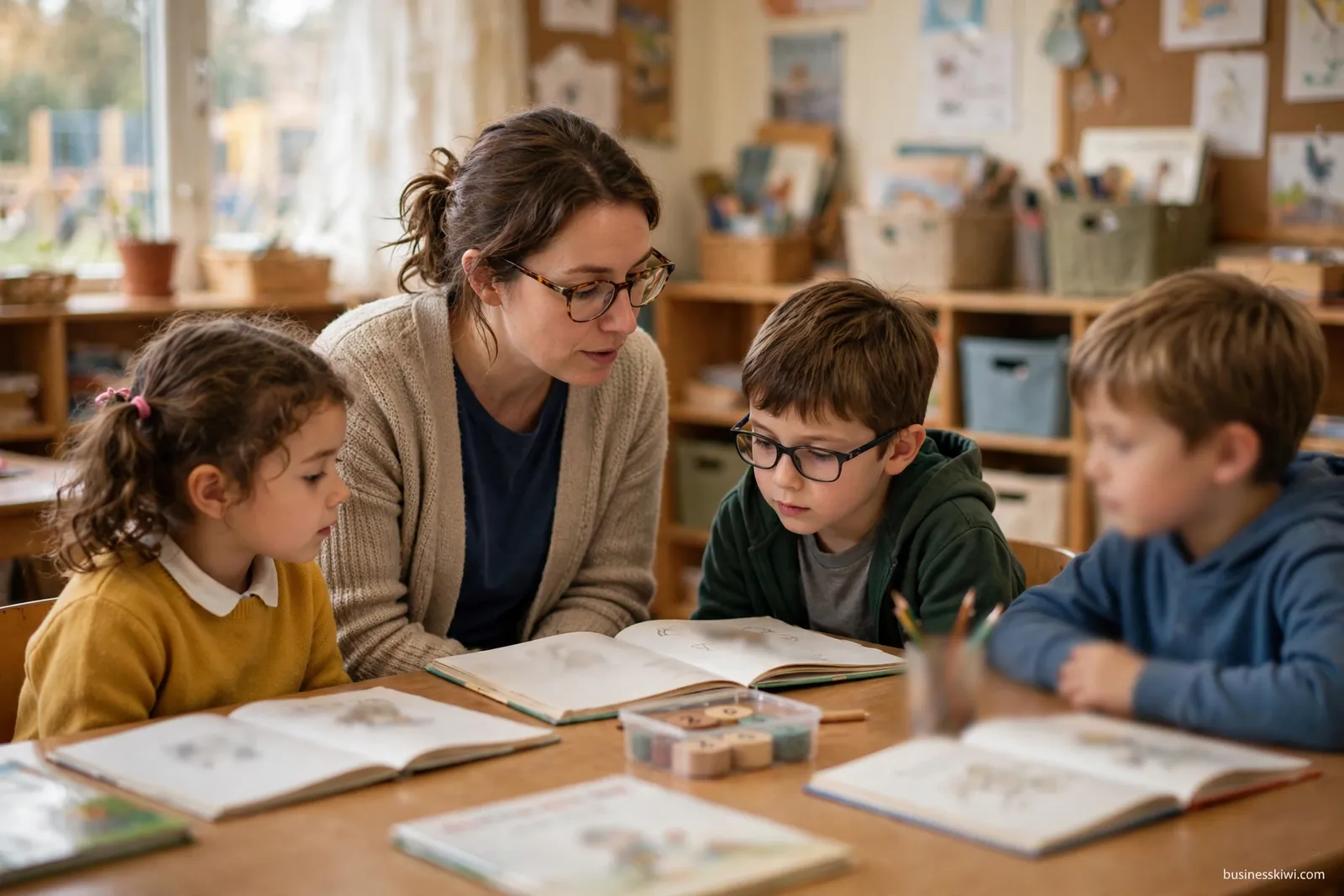
The Tokelau language class is the school’s distinctive feature. It is led by the assistant principal, Tufaina Faraimo, whose role on the staff page is given as “Assistant Principal / Tokelau Language Class”. Education Counts records that some students at the school learn in Pasifika medium, and the class sits within a roll where Pacific students are the majority. For Tokelau families in Porirua, a city with one of the largest Tokelau communities in New Zealand, it offers primary schooling where gagana Tokelau is part of the school day rather than an after-school extra.
in Year 1, 13 in Year 2, 24 in Year 3, 13 in Year 4, 20 in Year 5 and 14 in Year 6.
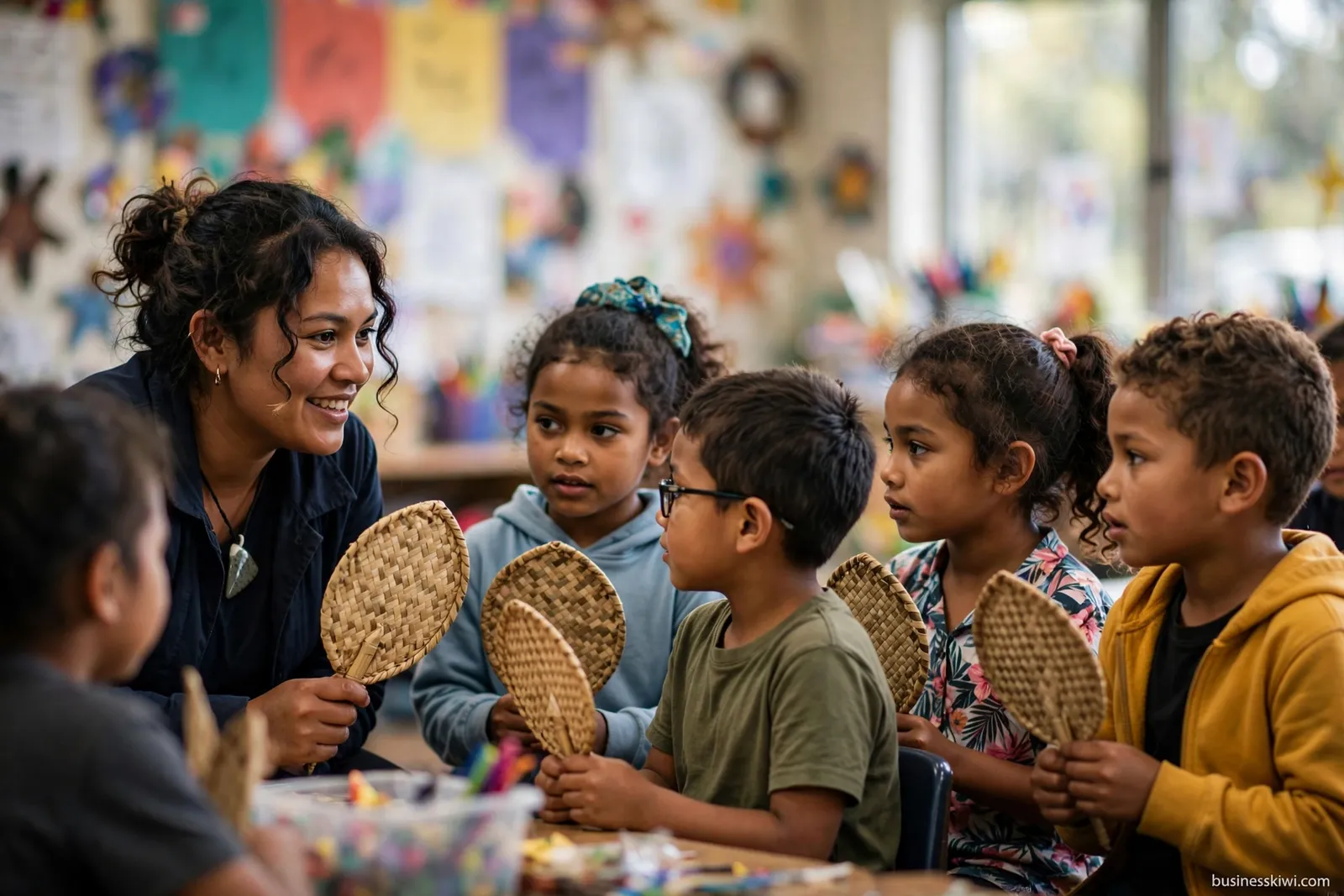
The ethnic composition of that roll, from the same Education Counts return, reflects Porirua East. Pacific students are the largest group with 64 of the 101 students, followed by 42 Māori students, 14 Asian students, 12 European or Pākehā students and 6 MELAA (Middle Eastern, Latin American and African) students. Those figures come from a multiple-response count, so a child who identifies with more than one ethnic group is counted in each, and the groups add to more than the roll. Education Counts also records that some Glenview students learn in Pasifika medium settings, which connects to the school’s Tokelau language class covered below.
Neither Education Counts nor the school publishes an official student-to-teacher ratio for Glenview, so no ratio is stated here. Aggregator websites attach numbers of various kinds to this school, including an Equity Index figure, but the EQI was not published on the official Education Counts pages read for this profile, so it is not quoted. Treat any precise-sounding figure from a directory site with care and check it against the official profile.