One Tree Point: Property, Lifestyle and Living Guide
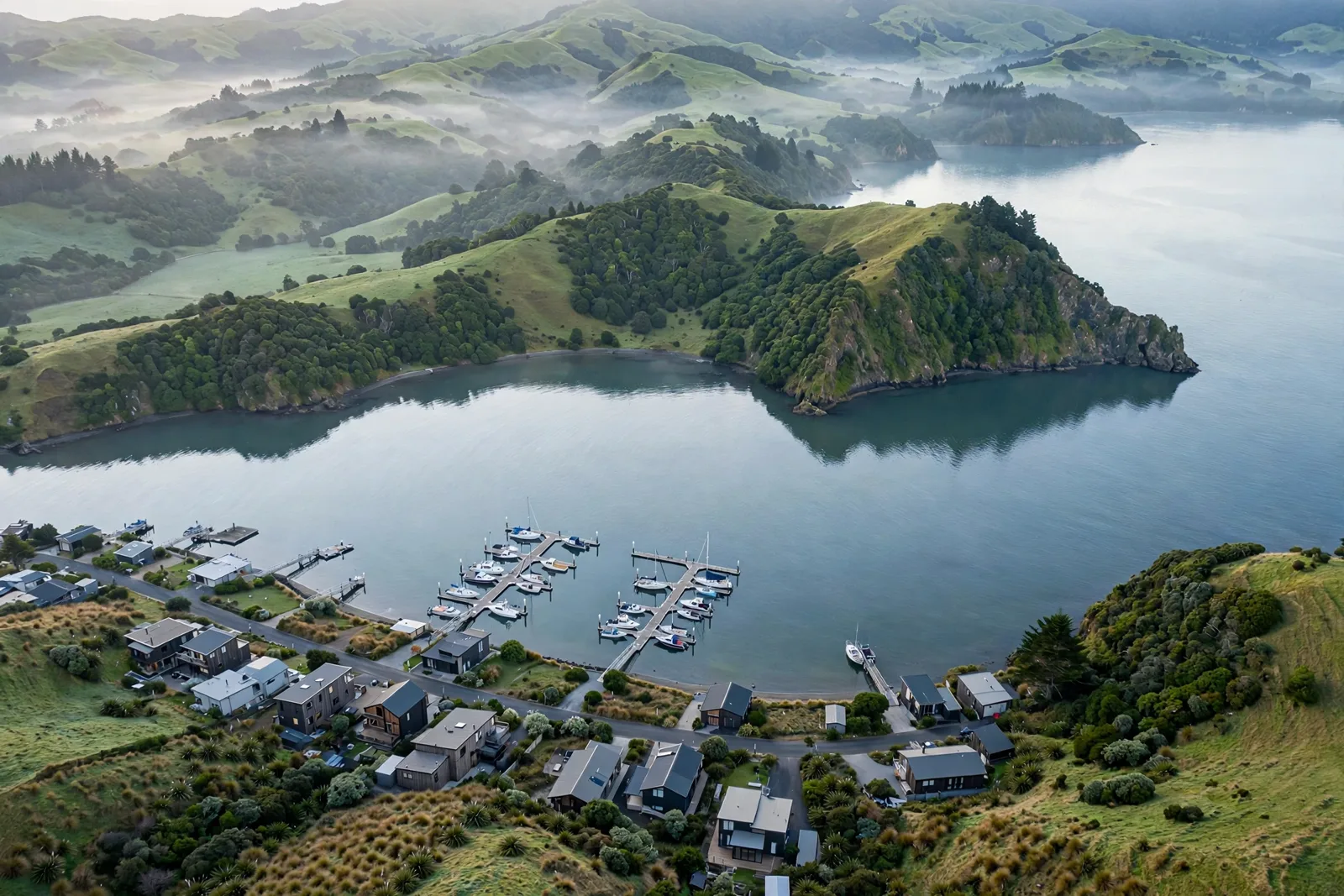
Twenty years ago, One Tree Point was the kind of place most people only found by accident: a quiet scatter of baches and houses at the end of the road, looking across Marsden Bay to the entrance of Whangārei Harbour. That has changed. Marinas, canal homes and street after street of new builds have turned this small Northland locality into one of the fastest growing settlements in the Whangārei District, and it now pulls in retirees, boating families and commuters in roughly equal measure.
This guide covers what One Tree Point is actually like to live in, what the property market looks like in context, and the practical things worth checking before you buy here, from school zoning to coastal hazard maps.
Quick facts
- Location: Marsden Bay, on the southern shore of the Whangārei Harbour entrance, Whangārei District, Northland
- Population: 2,988 usual residents at the 2023 Census (Stats NZ), in 1,188 dwellings
- Growth: Up 34.8 percent since 2018, and roughly double the 2013 population
- Median age: 49.9 years, well above the national median of 38.1
- Nearest centre: Ruakākā, a few minutes’ drive south, for everyday shopping
- City: Whangārei, roughly half an hour’s drive north (approximate)
- Primary school: One Tree Point School, Years 1 to 6, roll of roughly 250
- Secondary school: Bream Bay College, Ruakākā, Years 7 to 13
Where One Tree Point is and getting there
One Tree Point sits on a low headland on the southern side of the Whangārei Harbour entrance, where the harbour meets Bream Bay. From the point itself you look north across the water to Whangārei Heads and the distinctive profile of Mount Manaia. The open coast of Bream Bay runs south from here through Ruakākā and Waipū to Waipū Cove and Langs Beach, while the sheltered harbour shore is what defines the settlement itself.
Immediately to the east is Marsden Point, the district’s port and industrial area, where the deep water port facilities and fuel terminal sit at the harbour mouth. Ruakākā, the service town for this stretch of coast, is a short drive to the south west, and the farming township of Waipū is further south again.
Road access is straightforward. Drivers come off State Highway 1 south of Whangārei, using the turnoffs for Marsden Point and Ruakākā, then follow One Tree Point Road out to the point. Whangārei city is roughly 30 kilometres away, about half an hour by car in normal traffic, which puts the hospital, the larger supermarkets, the airport at Onerahi and the full range of city retail within commuting range. Auckland is around two hours’ drive south on SH1, close enough for a day trip but a serious commute. Both figures are road estimates only; check current conditions before relying on them, particularly the SH1 Brynderwyn Hills section, which has a history of weather related closures and roadworks.
Public transport is limited, as it is across most of Northland. There is no commuter rail, and bus services in the Bream Bay area are infrequent compared with city networks. In practice, households here run at least one car, and many run two.
A short history and a lot of growth
The name is the giveaway: the point was marked for generations by a single prominent tree, a landmark for anyone navigating the harbour entrance. Māori settlement along this coast long predates the township, and the land around the school carries the name Te Ara Kāhika, the pathway of chiefs, a route used by Ngāpuhi chiefs travelling south. Patuharakeke are the local iwi for the Bream Bay area.
For most of the twentieth century, One Tree Point was a small farming and fishing settlement with a sprinkling of holiday baches. The development of Marsden Point from the 1960s, first for the port and refinery and later for industry, brought workers and infrastructure to the area, but the point itself stayed quiet for decades.
The modern transformation began in the 2000s with the Marsden Cove development, a marina and canal housing project built around dredged waterways on the harbour side of the settlement. Canal subdivisions, conventional residential subdivisions along One Tree Point Road, and steady infill have followed ever since. The census numbers tell the story plainly: 1,491 people in 2013, 2,217 in 2018, and 2,988 in 2023. Whangārei District Council planning has long anticipated substantial growth across the wider Marsden Point, One Tree Point and Ruakākā area, and new sections are still being released.
Growth on that scale brings the usual growing pains. The primary school roll has climbed, roads carry more traffic than they were built for, and some services lag behind the rooftops. None of that is unusual for a boom settlement, but it is worth understanding that One Tree Point is still mid transition from holiday spot to suburb.
Lifestyle and amenities
The lifestyle pitch here is simple: water, in two quite different forms.
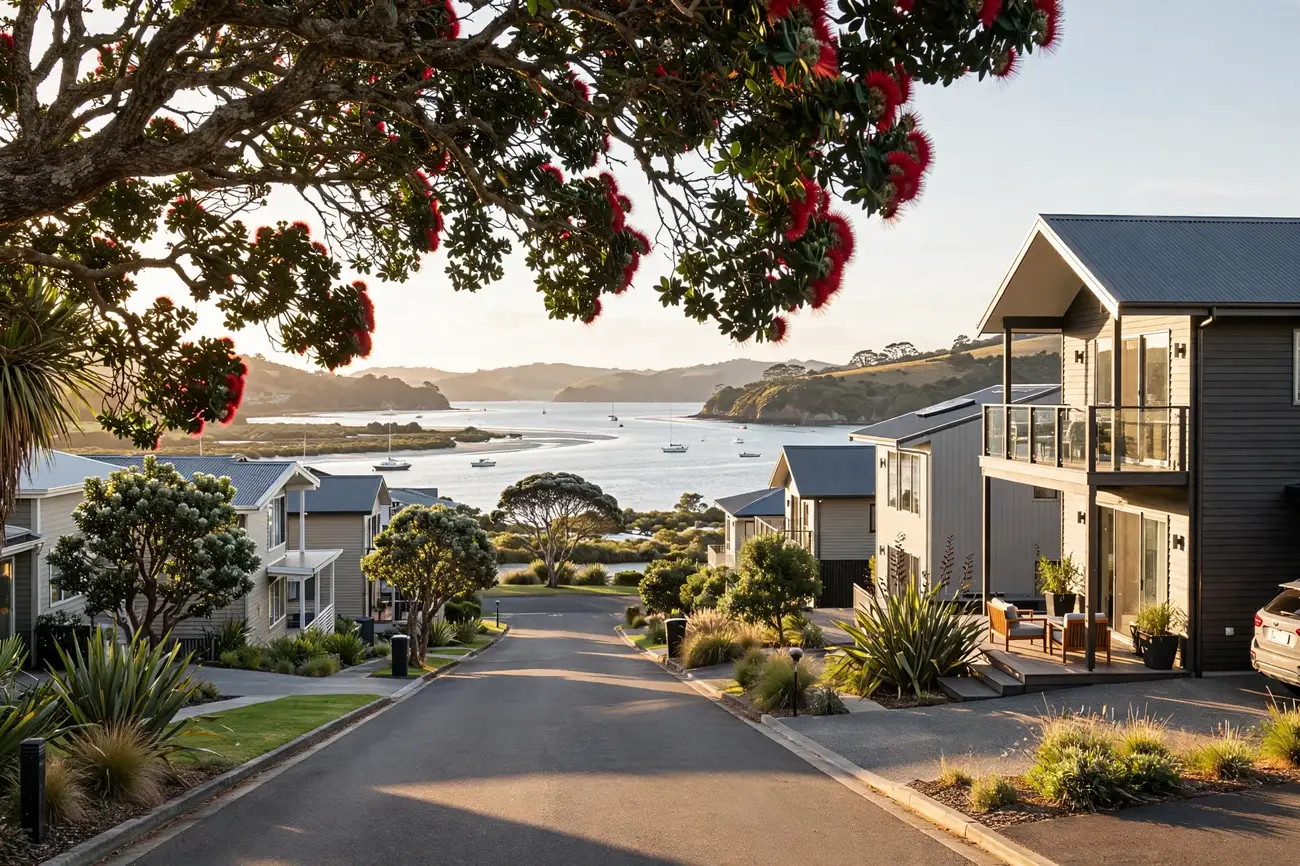
On the harbour side, Marsden Bay offers calm, sheltered water. The bay is used for swimming, kayaking, paddleboarding and launching boats, and it is a forgiving place for children and learners because it lacks the surf of the open coast. The Marsden Cove marina gives boat owners berths, a boat ramp and haul out facilities, and the canal streets around it are built for people whose weekends revolve around a boat in the water. Fishing in the harbour and out through the entrance is a serious local pastime, and scallops, snapper and kingfish all feature in local conversation.
For surf and long beach walks, residents head a few minutes south to Ruakākā Beach, a patrolled surf beach on Bream Bay in season, or further along to Waipū Cove. Dogs, horses and long evening walks are all part of life on that beach.
Day to day, Marsden Cove has a small cluster of local shops and cafés near the marina. For anything bigger, Ruakākā’s town centre has the supermarket, takeaway food, a medical centre, pharmacy, library services and the usual trades and services. Whangārei covers everything else, from Farmers Markets on Saturday mornings to specialist medical care.
Community facilities are modest but growing: a community hall, sports fields, playgrounds and an active boating and volunteer scene. What One Tree Point does not have is nightlife, a secondary school, or much in the way of cafés beyond the marina area. Evenings here are quiet, and for many residents that is precisely the point.
The property market
Housing at One Tree Point falls into three broad groups.
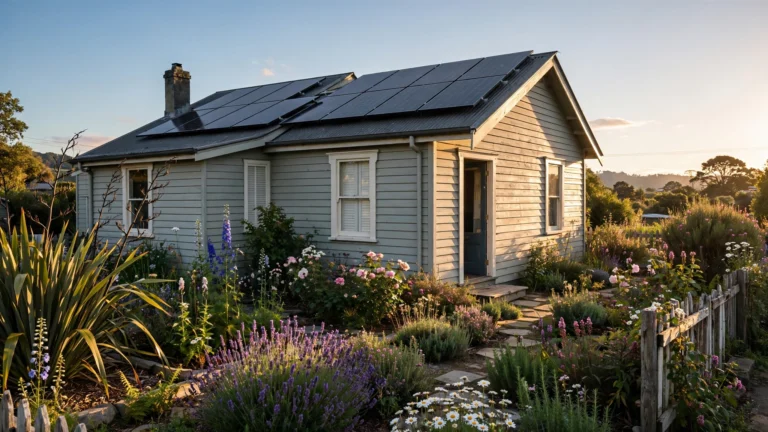
The oldest stock sits closest to the point itself: original baches, modest weatherboard and brick homes from the 1960s through to the 1990s, and a handful of larger waterfront properties along the harbour edge. Many sit on generous sections by modern standards.
The second group is Marsden Cove, where canal front homes, many of them substantial executive style builds with private jetties, command the area’s premium prices. Living on the canals is a specific lifestyle product, and values there reflect the marina access as much as the houses.
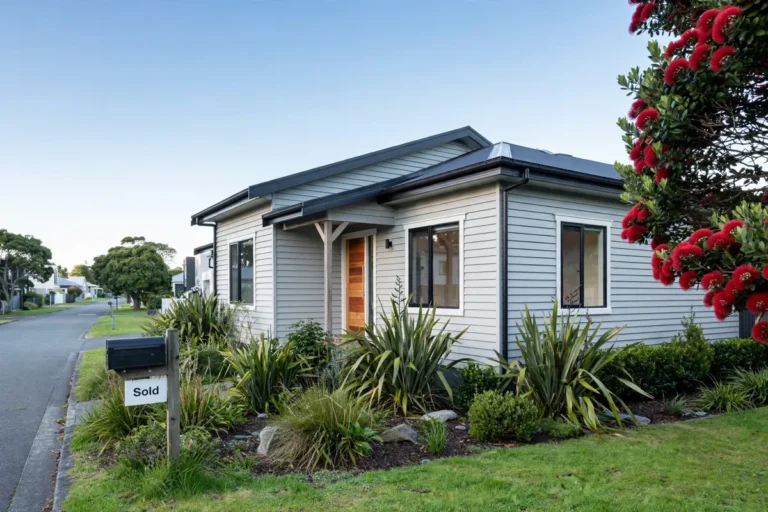
The third group, and now the largest, is the new subdivisions: contemporary brick and weatherboard homes on sections of a few hundred square metres, built through the 2010s and 2020s by volume builders and local firms. First home buyers, young families and downsizers all buy in this segment, and it is where most sales activity happens.
On prices, a word of caution. Neither REINZ nor QV publishes a suburb level median for One Tree Point in its public releases, so treat any single suburb figure quoted by a listing portal with scepticism; the sales sample in a settlement this size is small and one or two canal sales can swing it wildly. The reliable context is district level. REINZ recorded a median sale price of $690,000 for the whole Whangārei District in December 2025, from 118 sales, and QV’s House Price Index put the Whangārei district average home value at $727,224 in its September 2026 release, down 1.8 percent since the start of 2026 but slightly up on a year earlier. One Tree Point’s newer housing stock and waterfront appeal generally place typical asking prices at or above that district picture, with canal and harbour front homes well above it and older homes near the point sometimes below it. Before you form a view on value, look at recent settled sales for comparable streets rather than district averages, and factor how much you can borrow into what the local competition is likely to be doing.
Rental stock is limited. Most homes are owner occupied, the population skews older, and long term rentals come up far less often than they do in Whangārei city. Investors should note that holiday letting is a feature of the area, particularly near the marina and the beach, and short stay demand rises sharply over summer.
Buying considerations
Get a LIM, and read the hazard maps. A Land Information Memorandum from Whangārei District Council is essential here, not a formality. Parts of the One Tree Point and Marsden Bay coastline are mapped in the District Plan as Coastal Hazard Areas, based on erosion and coastal flooding assessments dating back to work first done for the area in 1998 and updated since. The District Plan maps Coastal Hazard Area 1 and 2 lines, representing land considered at risk over roughly 50 and 100 year horizons, and building in these areas is controlled: new buildings in Coastal Hazard Areas are expected to meet a minimum floor level of 2.5 metres above the One Tree Point Datum (mean sea level 1964), and building in the highest risk area is restricted. Flood susceptible areas are also mapped in low lying parts of the district. None of this means do not buy; large parts of the settlement sit outside the hazard lines. It means you should know exactly where a specific property sits relative to them, because hazard status can affect insurance, lending and resale.
Ask about erosion protection and consenting. Some sections of the cliffed shoreline near the point have private seawalls and other protection works, not all of them consented historically, and the condition and consent status of any structure protecting a property you are buying is worth specific legal advice.
Check services property by property. Newer subdivisions are connected to council water and wastewater networks. Older and more rural properties in the wider area may rely on rainwater tanks, bore water or on site wastewater systems. The LIM and the property file will tell you what applies to a given address. Do not assume.
Understand growth area titles and covenants. Many new subdivisions carry developer covenants covering fencing, building materials, colours and timeframes to build. Body corporate or residents’ society levies can apply in canal and gated style developments, including contributions toward marina and canal upkeep at Marsden Cove. Read them before you sign, not after.
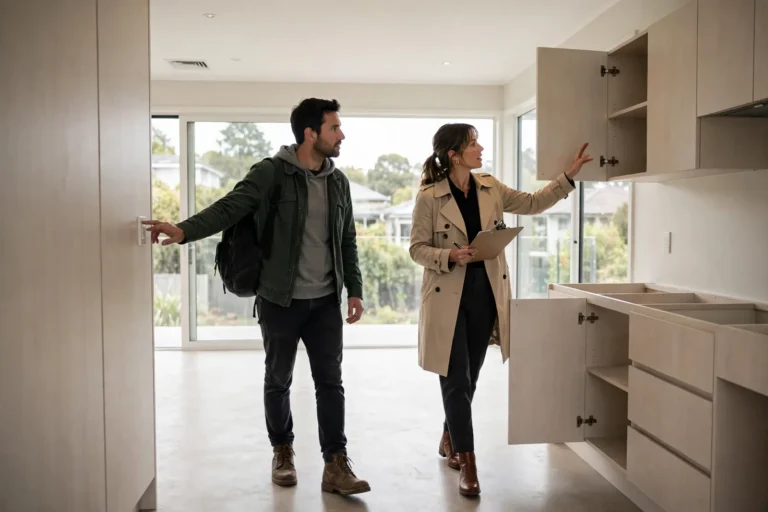
Use the full inspection process. In a coastal environment, check for salt spray corrosion, moisture, drainage and the condition of piles and retaining structures as well as the usual items. A thorough pre-settlement inspection matters here, and for a new build it is also worth confirming code compliance certification and any outstanding council sign offs before settlement day.
Insurance and lending. Coastal hazard status, floor levels and construction type all feed into insurance quotes in Northland. Get an insurance quote early in your due diligence, using the exact address, rather than leaving it until the finance condition is due.
Schools and education
One Tree Point School is the local primary school, at 97 One Tree Point Road. It is a state, co-educational contributing school covering Years 1 to 6, with a roll of roughly 250 students, according to the school and its Education Counts profile. The school sits directly across the road from the harbour and weaves its setting into its identity, with teams named for whales that frequent the harbour. Like most fast growing schools it operates an enrolment zone, so check the current zone boundaries on Education Counts before assuming a particular address is in zone.
For Years 7 to 13, local students travel to Bream Bay College in Ruakākā, the secondary school for the whole Bream Bay area. One Tree Point School and Bream Bay College are part of the Bream Bay Kāhui Ako (Community of Learning) alongside Ruakākā School and Waipū Primary School, which gives families a clear local pathway from age five to eighteen without leaving the coast. Ruakākā School and Waipū Primary are the other nearby primary options, each with their own zones.
Early childhood options include kindergartens and childcare centres in Ruakākā and around Marsden Cove, and playcentre provision in the wider Bream Bay area. Availability changes as the population grows; waiting lists at popular centres are not unusual.
Services and council
One Tree Point is governed by Whangārei District Council, which provides roads, water, wastewater, rubbish and recycling collection, libraries and community facilities across the district. Council’s long term planning treats the Marsden Point and Ruakākā growth area as one of the district’s key development fronts, which shows up locally as road upgrades, new reserves and staged infrastructure spending.
Health care runs through Ruakākā for GP services, with Whangārei Hospital providing secondary care about half an hour away. Emergency services rely on the Ruakākā and Waipū stations and volunteer brigades, as is normal for settlements of this size.
For workers, the main employment pull is Whangārei city, followed by the port, fuel terminal and industrial employers at Marsden Point, and tourism and trades work around Bream Bay itself. The settlement’s growth has also created local work in construction, retail and marine services. Remote workers should check fibre availability address by address; newer subdivisions are generally fibre served as part of the national rollout, but fringe addresses can differ.
Pros and cons
The case for One Tree Point
- Sheltered harbour beach and marina on the doorstep, surf beach minutes away
- Modern housing stock, including new builds with warranties, at prices below comparable Auckland coastal suburbs
- Commutable to Whangārei while feeling genuinely coastal
- Strong growth trajectory, with infrastructure and population still rising
- A clear schooling pathway from the local primary to Bream Bay College
The case against
- Car dependent, with limited public transport and no local secondary school
- Coastal hazard mapping affects some properties and needs proper due diligence
- Fewer shops, cafés and services than a city suburb of similar size
- Growth pains: roadworks, building sites and services catching up with demand
- An older, quieter demographic will not suit everyone, and summer holiday crowds change the feel of the place
FAQs
How far is One Tree Point from Whangārei?
Roughly 30 kilometres by road, about half an hour’s drive in normal conditions via State Highway 1 and One Tree Point Road. Allow extra time in holiday traffic and during roadworks on SH1.
How far is One Tree Point from Auckland?
Around two hours’ drive in free flowing traffic, heading south on State Highway 1. It is a popular distance for Aucklanders with baches and boats, but a long daily commute.
What is the population of One Tree Point?
Stats NZ counted 2,988 usual residents at the 2023 Census, in 1,188 dwellings. The population grew by 34.8 percent between 2018 and 2023 and has roughly doubled since 2013, making it one of the faster growing settlements in Northland.
Is One Tree Point at risk from coastal erosion or flooding?
Some parts are. Whangārei District Council maps Coastal Hazard Areas and flood susceptible land across the One Tree Point and Marsden Bay coastline in the District Plan, and building rules in those areas include minimum floor levels. Large parts of the settlement are outside the mapped hazard areas. Check the specific property on the council’s planning maps and through a LIM report before buying.
What schools serve One Tree Point?
One Tree Point School covers Years 1 to 6 locally, and Bream Bay College in Ruakākā covers Years 7 to 13. Both have enrolment schemes, so confirm zoning on Education Counts for any address you are considering.
Is One Tree Point a good place to retire?
Many retirees clearly think so: the median age of 49.9 years is well above the national figure, the housing is mostly modern and single level, and the boating and beach lifestyle is the drawcard. Weigh that against the drive to Whangārei for hospital and specialist care, and the limited local services, before deciding.
Can I build on a section at One Tree Point?
Sections come to market regularly in new subdivisions, and infill sites appear from time to time. Building is subject to the District Plan, including hazard and floor level rules in mapped areas, plus any subdivision covenants. Confirm zoning, services connections and hazard status with the council before committing.
For more area and buying guides, see our Real Estate hub.
Sources
- Stats NZ, 2023 Census, totals by topic for individuals and dwellings, One Tree Point statistical area (SA2 1049): population, dwellings, median age, median income and change since 2013 and 2018
- Whangārei District Council, District Plan (ePlan), Natural Hazards chapter: coastal hazard areas, floor level requirements and flood susceptible areas
- Whangārei District Council, Coastal Hazard Zone Assessment for the One Tree Point to Marsden Bay Area (referenced in the District Plan)
- Education Counts (Ministry of Education), One Tree Point School profile, institution 1061
- Education Counts, Bream Bay Kāhui Ako documentation: member schools including Bream Bay College, Ruakākā School and Waipū Primary School
- One Tree Point School, school website: roll and school setting
- REINZ, Monthly Property Report, December 2025: Whangārei District median sale price and sales count
- QV, House Price Index, September 2026 release: Whangārei district average home value
Disclaimer
This guide is general information only. It is not property, legal or financial advice, and it does not take your personal circumstances into account. Property values, council plans, school zones and hazard information change over time. Before buying, selling or building at One Tree Point, verify the details that matter for the specific property with Whangārei District Council, Education Counts and your own lawyer, lender and insurer.