Taxi Insurance NZ: Cover, Costs & What to Compare

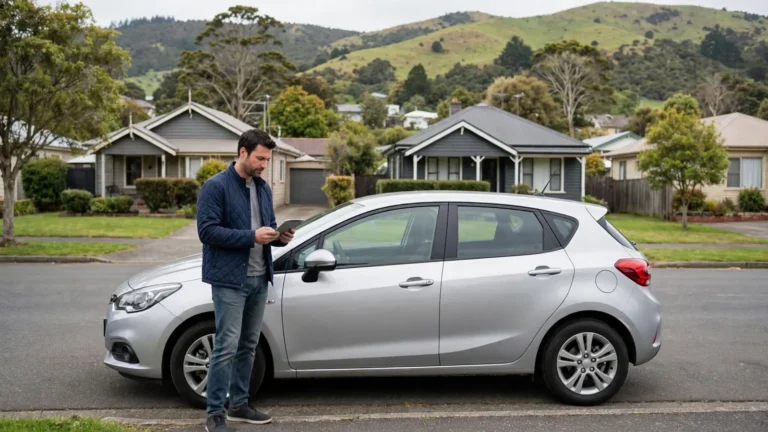
If you carry passengers for payment, your car stops being just a car. It is the tool your income depends on, it spends far more hours on the road, and it carries people who have paid to be there. Insurers write policies around that reality. Treating a taxi shift as ordinary private use can mean the policy you relied on was never designed for the job.
This guide explains how taxi insurance works in New Zealand, how rideshare cover differs, what licensing you need first, and what to compare. It does not quote premium prices. No insurer used here publishes a standard price for taxi cover, because price depends on the vehicle, where it is used, how it is used, and the driving record.
Quick answer
A standard private car policy does not cover carrying passengers for hire or reward. Tower states this plainly: its private car policies cover driving to and from work, but they do not cover using your car for work or business. Vero makes the same distinction, advising that a vehicle used for work or commercial purposes may need to be insured separately from a private motor vehicle.
To carry passengers legally in a small passenger service, you generally need to drive under a Small Passenger Service Licence, hold a passenger (P) endorsement, display a driver identification card, keep a logbook and comply with work time rules, and use a vehicle with a current Certificate of Fitness. Insurance sits on top of that legal base. The usual solution is a commercial motor policy that records passenger carrying as the vehicle’s use. Tell your insurer you drive taxi or rideshare work, even part time, before your first fare. If you do not, a claim can be declined and the policy can be at risk.
Why a private policy does not cover taxi work
Private motor insurance is written for private, domestic and social use, plus ordinary travel to work. Paid passenger carrying changes the risk. The vehicle is on the road for longer, often at night. It stops and starts constantly, picks up strangers, and follows routes the driver does not choose. When something goes wrong, the loss can involve a paying passenger, another road user, and weeks with no income while the car is off the road.
Insurers therefore separate private use from business use, and treat hire or reward as a distinct use that must be disclosed and accepted. Tower directs drivers who use a car for work towards commercial vehicle insurance. Vero asks the same question early: if the vehicle is used for work or commercial purposes, it may belong on a commercial policy rather than a private one.
Disclosure is the second problem. Consumer Protection advises people to give complete, up to date and relevant information when they apply, renew, claim, and whenever circumstances change. The Insurance Council of New Zealand (ICNZ) lists the motor items that matter, and business use of the vehicle is one of them, alongside driving offences, modifications, and who actually drives the vehicle. Starting rideshare work at weekends is a change of use, not a detail to tidy up after a crash.
For ordinary cover levels, our guide to car insurance in NZ sets out the basic choices for private drivers.
Part time is still commercial use
A few hours a week makes no difference to the principle. For licensing, the question is whether you provide a small passenger service. For insurance, it is what the vehicle is used for and what you told the insurer. Low hours may affect assessment and price, but paid passenger carrying does not become private use because it is part time.
What about the platform’s cover?
Uber’s own New Zealand page corrects a common assumption. Uber says cars driven by its New Zealand driver partners must be registered here and insured for a minimum of third party property damage, with the driver partner as policyholder or named insured driver. It tells drivers to speak to their insurer, broker, adviser or agent to work out appropriate cover, including whether they need commercial insurance. Uber also describes contingent liability cover that works alongside a driver’s personal policy, and notes injury on a trip is covered by ACC. Neither point removes the need for your own suitable cover. ACC does not repair your car or pay for damage to someone else’s property.
Get the licensing right first
Insurance does not make an unlicensed service legal. NZ Transport Agency Waka Kotahi (NZTA) groups taxis, shuttles, private hire vehicles, app based services and dial a driver services together as small passenger services. A small passenger service vehicle carries 12 people or fewer, including the driver. Since the 2017 changes there have been no regulatory distinctions between those categories, so a taxi and an app based car work to similar rules.
Small Passenger Service Licence. You must hold one yourself, or drive for, or be facilitated by, someone who holds one. A driver contracted to a licence holder and working as part of that business can drive under that licence. A driver in business on their own account needs their own. The licence card, often called the label, must be displayed on the windscreen as NZTA directs.
P endorsement. To carry passengers for hire or reward you need a passenger endorsement on your driver licence. NZTA’s factsheet requires applicants to have held a full New Zealand car licence for at least two years. NZTA checks that applicants are fit and proper people, including background checks, and a medical certificate is required unless a recent one is already held. Once granted, you get a driver identification card to display so a front seat passenger can see it. Allow time for this. It is not a same day process.
Certificate of Fitness. The vehicle must have a current Certificate of Fitness (CoF), which NZTA describes as showing the vehicle is legal for commercial use. That is a higher standard than a Warrant of Fitness. A private car moving into service use also goes through change of use certification. A car that cannot pass its CoF cannot legally earn, so ask how repairs and claim timing interact with inspection dates.
Logbooks and work time. Drivers must keep a logbook up to date and comply with work time rules. For short fares in a town or city, where a short fare is a single hire of less than 100 km between pick up and set down, NZTA allows up to seven hours of continuous work time before a rest break. A rest break must be genuine rest, not refuelling, paperwork or monitoring a dispatch system. Long hours are part of the risk an insurer prices, and a breach that contributes to a crash will not help a claim. Narrow exceptions for facilitated cost sharing and dial a driver services are set out separately by NZTA. Do not assume one applies to you.
What commercial taxi insurance usually covers
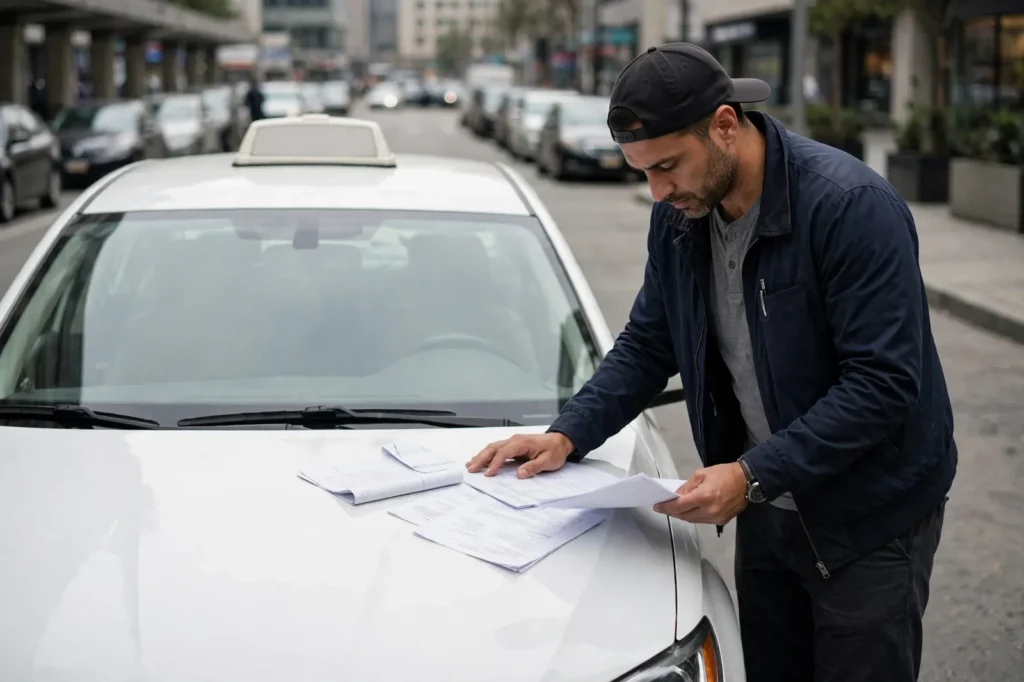
Commercial cover is not one standard product. Each insurer writes its own levels, limits and exclusions. Test these headings against the actual wording and schedule you are offered.
Damage to your own vehicle
Comprehensive is the broadest level described in this guide. Tower summarises its comprehensive commercial cover as cover for accidental loss or damage to your vehicle, plus payment for accidental damage you cause to someone else’s vehicle or property. Vero offers comprehensive as one of three levels for individual business vehicles, alongside third party, and third party fire and theft, and says comprehensive covers business vehicles for market value if stolen or damaged. AA Insurance offers comprehensive commercial cover for rideshare drivers against accidents, damage or theft.
Check collision, fire, theft, windscreen cover, towing, and total loss treatment. AA Insurance lists excess free glass cover on its rideshare page for a standard commercial vehicle on its comprehensive policy, and describes agreed value cover, where the agreed amount is paid if the vehicle cannot be repaired or is stolen. Market or agreed value matters if you bought a specific car for service work. Read the schedule. For the private equivalent, see our guide to comprehensive car insurance.
Liability to other people
Third party cover is the liability core. Tower’s third party commercial option pays for accidental damage you cause to someone else’s vehicle or property. Vero says its commercial cover protects you for legal liability to third parties at all three levels, including defence costs and damages for accidentally damaging someone else’s property. AA Insurance puts a figure on its rideshare legal liability: up to $20 million where your vehicle accidentally damages someone else’s car or property and you are legally liable. A serious crash can involve several vehicles or a shop front. The bill does not shrink because the driver was part time.
Passengers, injury and ACC
ACC’s no fault scheme covers everyone injured in an accident in New Zealand, regardless of fault. It can help with treatment, recovery and, within its rules, income support. It does not repair vehicles or pay for property damage. That gap is what motor insurance is for.
Still check the liability layer. Vero notes cover for liability under the Sentencing Amendment Act 2014, where a court orders reparation after accidental injury. Tower’s commercial summary includes bodily injury liability and defence costs, subject to limits. Ask in writing what your policy responds to after an injury, and about passenger belongings, which may need a separate policy.
Loss of use and replacement vehicles
A private driver whose car is in a panel shop loses convenience. A taxi driver loses income. Vero flags this directly: commercial motor customers can access benefits such as loss of use and rental vehicle extensions that may not be available under some private policies. Its fleet cover describes paying reasonable costs to hire a replacement if a vehicle is stolen.
AA Insurance offers a similar mechanism for rideshare. If a vehicle is stolen and not recovered, it will pay up to $150 per day, up to $3,000 in total, to hire a similar replacement. An optional extra adds hire of a substitute vehicle after damage, on the same published figures. Read the caps carefully. Theft and accident cover may differ, and daily and total limits decide whether the benefit keeps you working.
Signwriting and fit out
Tower’s commercial page lists cover for signwriting, goods in transit and keys and locks within published limits, all relevant to a liveried taxi. Vero warns that modifications, accessories and signwriting can affect cover, and says drivers should always declare them so the policy can include them. A meter, camera, roof sign or converted interior the insurer does not know about is a problem waiting for claim day. List it and get it on the schedule.
Taxi cover compared with rideshare cover
In law, taxis and app based services sit under the same framework. In insurance, the answer depends on the insurer.
AA Insurance has a dedicated rideshare page marketing comprehensive commercial vehicle insurance to the ride hailing industry. Its help centre says it may be able to offer cover for rideshare or Uber under its Small Business Insurance policy after discussing the driver’s individual situation.
Tower takes the opposite position. Asked whether a driver is insured to be an Uber driver, Tower answers no in its published frequently asked questions, and says neither its commercial nor its private policies cover rideshare and carshare services like Uber and Yourdrive.
Vero sells commercial motor cover through brokers and advisers, tailored to the business, rather than a named rideshare product on the page used here. That suits taxi operators and drivers whose work does not fit a simple online form.
Never buy on category labels. Ask directly whether the policy covers hire or reward and app based rideshare specifically, and get the answer in writing. Structure matters too: Vero draws its fleet line at around 15 or more vehicles, below which vehicles are generally insured individually.
For the wider package a small operator may need, our guide to business insurance in NZ covers policies that often sit alongside commercial motor cover.
The disclosure duty
Tell your insurer, before the first fare:
- that the vehicle will carry passengers for hire or reward
- whether the work is taxi, private hire, app based rideshare, or a mix
- how much work is involved, if asked, plus every regular driver
- any modifications, accessories, signwriting or fit out
- driving offences, claims and refusals, as asked
- any later change, including starting or stopping platform work, or changing vehicle
Consumer Protection is clear on timing: disclosure applies when you apply, renew, claim, and when circumstances change. ICNZ adds a useful tip: if you are unsure whether your insurer needs to know something, ask them.
Where missing information is material, meaning it would have affected the decision to insure you or the premium, Consumer Protection warns the insurer may refuse a claim or cancel the insurance from its start date. A cancelled policy must then be disclosed later. A broker can help: Vero sells through brokers who assess needs, arrange cover and help with claims.
What drives the premium
Vero publishes its factors: premiums are based on what the vehicle is, where it is located, what it is used for, and previous claim experience. Those factors can also affect extra terms or scope of cover. Vero also notes that adjusting the excess can reduce the premium.
Expect a quote to cover the vehicle value, age and repair costs; whether market or agreed value is offered; your hours and type of work; where the car works and is garaged; driver age, experience and licence history; claims, offences and any previous refusals; and the excess and options you choose. Consumer Protection notes that a locked garage or an alarm can help because security changes the risk. Replacement vehicle, glass, roadside and loss of use benefits add value for a working driver, and add cost.
Do not cut the insured value below a realistic figure to save premium. After a write off, that figure is your ceiling, and you still need a compliant replacement. Do not describe the work as lighter than it is either. A cheap policy built on a wrong description is an uncovered claim waiting to happen.
Roadside help is worth pricing: Tower offers RoadWise as an add on, while Vero includes assistance for light commercial customers. Wider topics are in our Finance category.
Comparison checklist
Check answers against the wording, not the sales summary:
- Is passenger carrying for hire or reward recorded as the use on the schedule?
- Is app based rideshare covered, excluded, or conditional? Get it in writing.
- What level is it, and what does that level include in this wording?
- Market or agreed value, and is it enough to replace a compliant vehicle?
- What is the liability limit, and what defence costs are included?
- What happens if passenger property is damaged, or a court orders reparation?
- Is there loss of use or replacement vehicle cover, after theft, accident, or both?
- Are signwriting, meters, cameras and fit out listed and covered?
- Who can drive, and are relief drivers covered or must they be named?
- What excesses apply? What must you tell the insurer mid policy, and how quickly?
- How are claims lodged, who manages repairs, and is there a repair guarantee?
If an answer is vague, ask for the clause. Tower and Vero both direct readers to the policy wording for terms, limits and exclusions. Take them at their word.
If you have a crash
Safety first. Check for injuries and call emergency services if anyone is hurt. ACC cover does not depend on your insurance claim, so never delay medical help.
If it is safe, collect what Consumer Protection tells drivers to get: the other driver’s name, address, phone number and insurer, registration and licence details, and photos of damage and vehicle positions. Add time, location, weather, and passenger and witness names. If you had a paying passenger in the car, record the trip details from your logbook or app while they are fresh.
Tell your insurer or broker promptly, including that the vehicle was in passenger service if it was. Do not guess at fault in writing or agree to pay another party yourself without insurer advice. Keep towing and repair receipts. Vero describes a system letting repairers assess damage from digital images to speed repairs, with a repair guarantee from approved suppliers. Processes differ, so follow your insurer’s steps.
If a claim is declined, use the insurer’s internal complaints process first. At deadlock, the Insurance and Financial Services Ombudsman Scheme (IFSO) provides a free, independent service for complaints about participating insurers. Written proof you disclosed taxi work before the policy started puts you in a far stronger position.
FAQs
Do I need special insurance to drive a taxi in NZ?
Yes, in practice. You need a policy recording passenger carrying as the use, usually a commercial motor policy or a specific taxi or rideshare product. A private policy is not built for hire or reward.
Is rideshare insurance different from taxi insurance?
Legally, NZTA applies the same small passenger service rules. For insurance it depends on the insurer. AA Insurance markets a rideshare offer. Tower states neither its commercial nor private policies cover rideshare like Uber. Ask in writing whether app based work is covered.
Does Uber insure me?
Uber’s New Zealand page says drivers must hold at least third party property damage insurance in their own name or as a named driver, and advises checking whether commercial cover is needed. Its contingent liability cover works with a driver’s personal policy, and ACC covers injury. That is not a substitute for your own suitable policy.
What licence do I need?
You need to drive under a Small Passenger Service Licence, hold a P endorsement and display an ID card, use a vehicle with a current CoF, and keep a logbook within work time rules. P endorsement applicants need two years on a full licence, fit and proper checks, and a medical certificate as required.
How much does taxi insurance cost?
There is no single published price. Vero prices on the vehicle, location, use and claims experience. Excess, insured value, driver history, hours and optional benefits move the figure further. The only reliable price is a quote for your actual vehicle and work, correctly described.
Can I add rideshare to my existing policy?
Sometimes, sometimes not. AA Insurance may cover rideshare under its Small Business Insurance policy after individual assessment. Tower says its policies do not cover rideshare at all. Ask your insurer first, but be prepared to move.
Will ACC pay if my car is written off?
No. ACC helps with treatment, recovery and, within its rules, income support for injured people. It does not repair or replace vehicles or pay for property damage.
Sources
- NZTA, I’m a passenger service vehicle driver: licence, P endorsement, CoF, logbook and fare rules. https://www.nzta.govt.nz/commercial-driving/taxis-shuttles-buses-and-other-passenger-services/new-passenger-service-rules-2017/im-a-passenger-service-vehicle-driver
- NZTA, Factsheet 42, P endorsements (October 2025): two year rule, fit and proper checks, medical and ID card. http://www.nzta.govt.nz/assets/resources/factsheets/42/docs/42-p-endor.pdf
- NZTA, Work time and logbook requirements: seven hour rule for short fares under 100 km. https://nzta.govt.nz/commercial-driving/commercial-safety/work-time-and-logbook-requirements
- Consumer Protection, Insurance: what to tell insurers and when disclosure applies. https://www.consumerprotection.govt.nz/help-product-service/managing-money/insurance
- Consumer Protection, Car insurance: cover levels, accident details and premium factors. https://www.consumerprotection.govt.nz/help-product-service/cars/paying-registering-insuring-car/car-insurance
- Insurance Council of New Zealand, Things you need to tell your insurer: business use, offences and modifications. http://icnz.org.nz/individuals/consumer-guides/things-you-need-to-tell-your-insurer/
- Tower, Commercial vehicle insurance: options, and that its policies do not cover rideshare like Uber. https://www.tower.co.nz/business-insurance/commercial-vehicle/
- Tower, Comprehensive car insurance: private policies cover travel to work, not work or business use. https://www.tower.co.nz/car-insurance/comprehensive/
- Vero, Commercial vehicle insurance: cover levels, liability, loss of use and premium calculation. http://vero.co.nz/business-insurance/commercial-vehicle-insurance.html
- AA Insurance, Insurance for rideshare: commercial cover, liability up to $20 million, agreed value and replacement amounts. https://www.aainsurance.co.nz/small-business-insurance/rideshare
- AA Insurance, Do you cover my car if I use it for Uber?: possible cover under Small Business Insurance after assessment. https://www.aainsurance.co.nz/help/article/360019834152-Do-you-cover-my-car-if-I-use-it-for-Uber
- Uber NZ, Driver insurance: minimum third party requirement, contingent liability, ACC, and checking commercial cover. https://www.uber.com/nz/en/drive/insurance/
- ACC, What we cover: no fault cover for everyone injured in an accident in NZ. https://www.acc.co.nz/im-injured/what-we-cover
- IFSO Scheme, FAQs: free and independent complaints service. https://www.ifso.nz/pages/frequently-asked-questions
Disclaimer
This article is general information only. It is not insurance, legal or financial advice, and does not recommend any insurer or product. Wordings and eligibility change. Read the wording and schedule you are offered, confirm passenger carrying use in writing, and check licensing with NZTA before driving. For personal advice, talk to a licensed broker, adviser or lawyer.